Making Invisible Risks Visible: Practical Lessons from Environmental Health Literacy Research
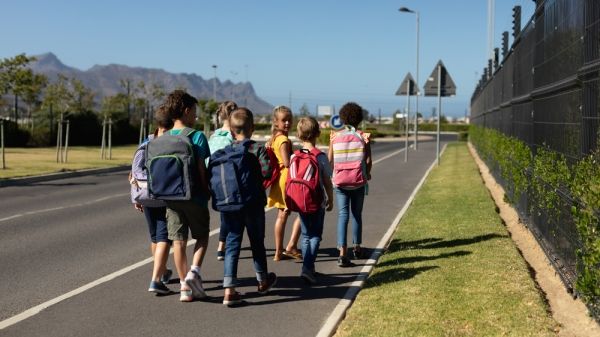






Traffic fumes on the walk to school. Tiny plastic pieces in water and food. Arsenic in garden soil. Many environmental risks to our health are invisible, which makes them hard to teach. And when learners do find out about them, worry can easily crowd out action. Our new eeRESEARCH collection brings together six studies on environmental health literacy: the knowledge and skills people need to understand how their surroundings affect their health, and to act on it. The studies range from elementary schools in London and high schools in Jakarta to home gardens in Arizona and towns near polluted industrial sites in Italy.
View eeRESEARCH Collection: Environmental Health Literacy
What the Research Tells Us
Local data makes a hidden problem real. In one London school, 10 children carried air monitors on their trips to and from school. Their colored route maps showed much higher pollution on busy roads than on back streets, plus a surprise spike beside an idling ice-cream van at the school gate. Seeing their own data made children and parents aware of air pollution on daily routes they used, and helped them make adjustments that balanced air quality and safety concerns.
Young people learn well from each other. A study of more than 300 high school students in Jakarta compared three ways of teaching about microplastics. Small-group discussions led by trained classmates produced the biggest gains in knowledge. A lecture made little difference.
A real audience turns concern into action. Teens in a 10-week after-school internship in California gave more than 100 community talks and met state lawmakers. Few had acted on a local issue before participating in the internship; after the program, most said they had. In London, children who presented at a school assembly carried the message to the whole school, and home to their families.
Sharing results works best as a conversation. Researchers in Italy found that publishing reports was not enough. Open public meetings in plain language built trust, and in one town the prevention steps developed with residents became part of the regional health plan. Arizona gardeners who received their results, from testing soil, water, and vegetables from their own gardens, in everyday terms, with simple handouts, were willing to change some of their gardening habits to reduce exposure to contaminants.
Try This
- Let learners measure their surroundings. Even a few monitors, or a public data website, give learners something concrete to explore and share.
- Train a few students to lead discussions. Give them a simple infographic to work from.
- Rehearse, then find a real audience. A school assembly, a community group or a meeting with local decision makers all count.
- Make sharing results a two-way conversation. Leave room for questions and disagreement, use everyday terms, and always pair results with a short list of things people can do.
- Keep messages short and repeat them. A review of 17 health toolkit trials found this was a core building block as attitudes rarely shift after one session.
Explore the Collection
Each study in the collection has a short, practical summary written for educators. Explore the full collection and pick the studies closest to your own work. Have you tried any of these approaches? Tell us how it went in the comments.