Environmental Health Literacy
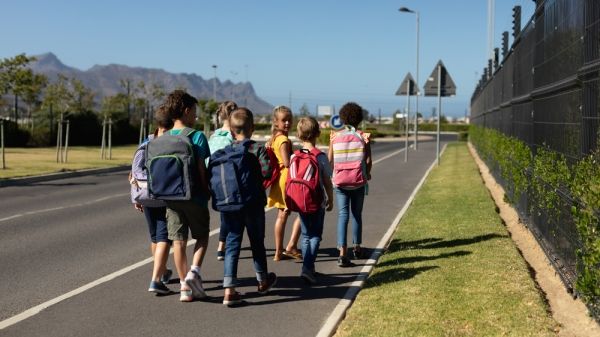

Many environmental risks to our health are hard to see. Traffic fumes, tiny plastic particles, metals in garden soil, and chemicals in everyday products rarely announce themselves. This collection brings together six studies on environmental health literacy: the knowledge and skills people need to understand how their surroundings affect their health, and to act on it.
The studies cover a wide range of learners and settings. Elementary school children in London carry air monitors on their walk to school. High school interns in California share air quality data with neighbors and state legislators. Teens in Jakarta learn about microplastics through lectures, peer groups, or posters. Home gardeners in Arizona test their own soil and vegetables. Health agencies in Italy share study results with communities near polluted industrial sites. A review of educational toolkits rounds out the set. Together, the studies point to approaches you can use: let learners gather their own data, give peers a role in teaching, share results in plain language, and always pair a risk with clear steps people can take.
For more, read the eePRO blog post: Making Invisible Risks Visible: Practical Lessons from Environmental Literacy Health Research

Recommended for elementary teachers and school sustainability leads. It shows how a handful of student data collectors can carry a message to a whole school, and home to their families.
Guidelines: Emphasis on skills building, Fairness and accuracy
A strong model for youth leaders who want to go beyond lessons. I especially like the step-by-step build from personal stories to science to speaking with decision makers
Guidelines: Emphasis on skills building, Personal and civic responsibility
Useful for any high school teacher who still relies on the lecture. It's a clear, practical comparison that makes the case for letting students teach each other.
Guidelines: Depth of understanding, Instructional effectiveness
Read this before you design your next activity kit or handout. It's a handy checklist of features to build in, and of ways to tell whether your materials actually work.
Guidelines: Instructional effectiveness, Usability
A must-read for anyone running community science or garden programs. It's full of practical touches, from recruitment bookmarks to report-back lunches, that you could borrow tomorrow
Guidelines: Emphasis on skills building, Personal and civic responsibility
Worth a look if you share health or pollution information with the public. It offers useful lessons on plain language, two-way conversations and working through local partners.
Guidelines: Depth of understanding, Personal and civic responsibility