Growing Up Outdoors: What Research Tells Us About Young Children and Nature
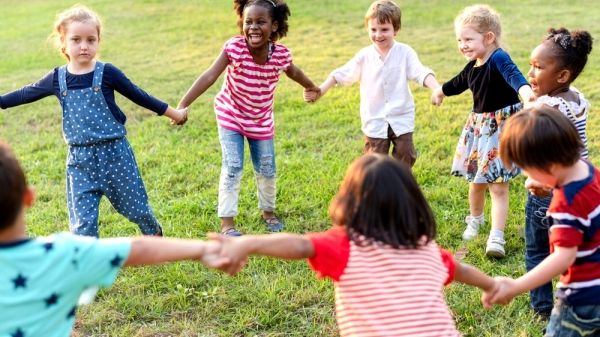






Having spent the past few months reading research on young children and nature, I'm delighted to share this new collection. The six studies range from a preschool in inner-city Melbourne to a college classroom in the U.S. Midwest, and together they paint an encouraging picture of what happens when we take young children outside.
View eeRESEARCH Collection: Early-Childhood Education and Nature-Based Learning
Regular, sustained time in nature matters
The studies agree that nature time works best when it's a regular part of the week. In the Learning in Nature Program in Australia, four-year-olds spent two-hour sessions in local bushland every week. Teachers reported fewer behavior problems, more helping and comforting, and better coping. A review of 28 studies found that the quality of outdoor time mattered more than how often children went. Enjoyment, choice and quiet moments were all linked to a stronger connection with nature.
Experience, then expression
Across the collection, children learned most when outdoor exploration was followed by a chance to make sense of it. A review of 72 studies found that talking, drawing, drama and stories after time outdoors helped children gain knowledge and care more for animals and plants. In Istanbul, five-year-olds who sorted real waste, made new paper and repaired broken toys moved from calling everything "garbage" to naming what can be recycled.
Families are powerful partners
The strongest predictor of a child's nature connection was having parents who feel close to nature themselves. Yet parents were rarely included in programs. Several authors recommend bringing families into the design of programs rather than just keeping them informed.
Confident educators make it happen
Many teachers value nature play but find it hard to plan. A new curriculum framework offers a four-part structure for goals, activities, delivery and evaluation. In a teacher training study, student teachers who went outside three mornings a week grew in confidence and felt happier and braver themselves.
Key takeaways for practice
• Make outdoor time long and regular, and treat it as real learning, not just recess.
• Follow nature experiences with reflection, such as drawing, storytelling, role-play or talking about feelings.
• Bring families in with shared activities, at-home ideas and a role in setting goals.
• Plan for the weather with shelter, suitable clothing and indoor alternatives.
• Let children lead and problem-solve. Give them real challenges and time to work things out.
• Make staff training hands-on and outdoors. Confidence grows through doing.
One of the most heartening findings is that less experienced teachers in the Melbourne program still saw real gains. You don't need to be an expert to start.
We hope that you enjoy reading the six summaries. We’d love to hear how you're bringing young children outdoors in your own setting!