Blog
-
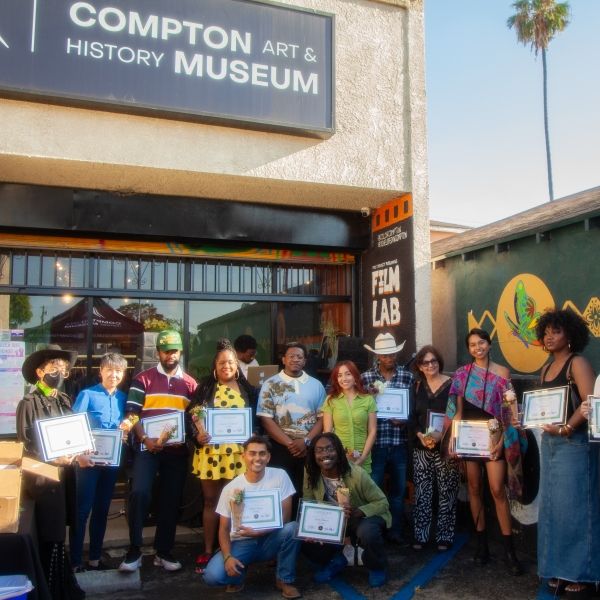
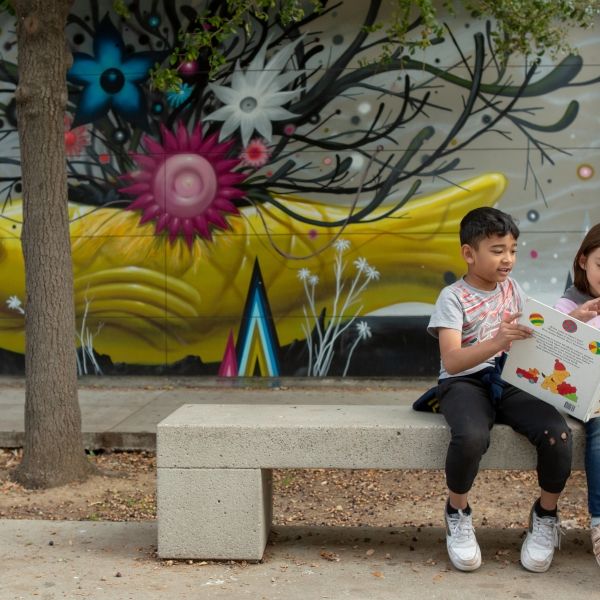
To some, Compton may seem marred by connotations antithetical to environmental education, but not to CEE-Change Fellow Christopher Davis. Inspired by the loss of a historic environmental landmark, Christopher seized this somber moment to create an exhibition championing environmental stewardship in…
-
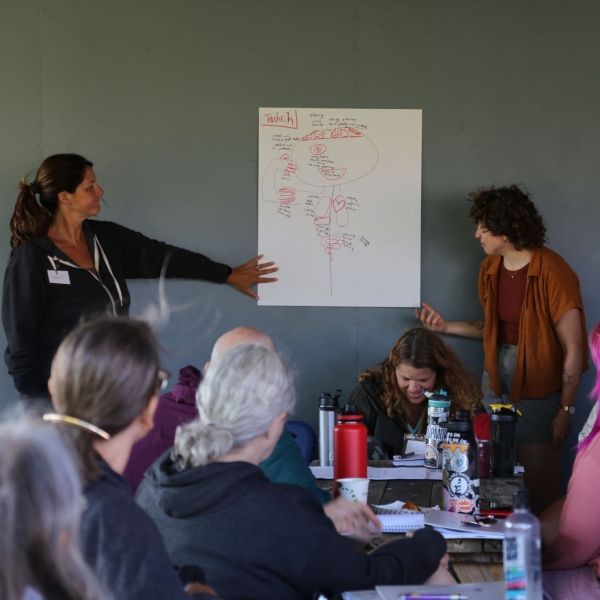
Environmental education is an ecosystem that draws strength from robust networks of practitioners. Fran Agnone, a 2025 CEE-Change Fellow and education director, is leading the charge to strengthen resources through mutual aid and civic engagement. In partnership with her CEE-Change Fellowship mini…
-
Global E-STEM Awards winner, Up4 The Challenge developed the "Youth Power: Smart Schools" program to help students connect personal energy choices to global sustainability issues. Using a human-centered design approach, students explore solutions to "wicked" environmental problems.
-
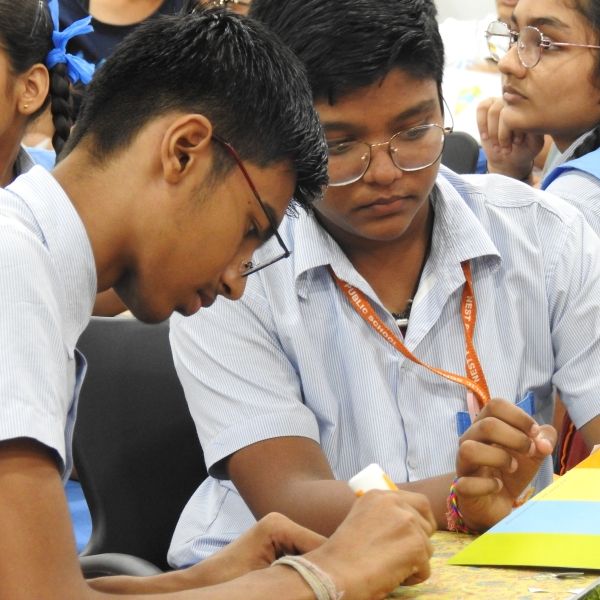
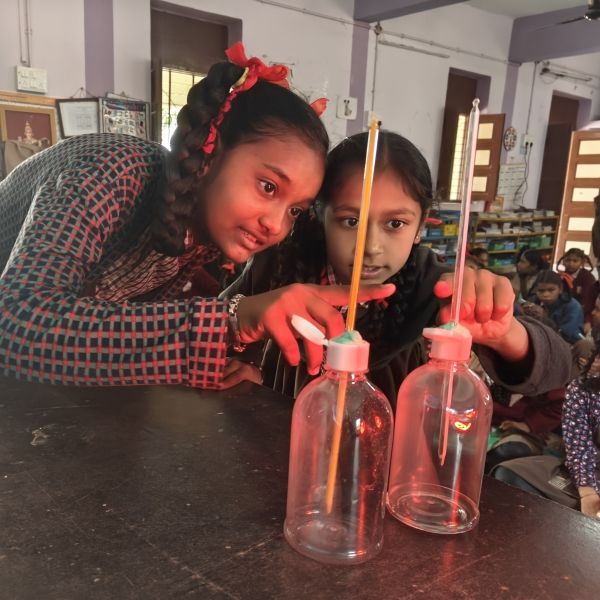
With support from the Global E-STEM Awards, VASCSC brought hands-on STEM workshops to students across Gujarat. Tracking simulations to help conserve Asiatic lions, and biomimicry lessons using lotus leaves and gecko feet as inspiration for sustainable engineering made STEM learning relevant.
-
2024 Global E-STEM Awards winner, VASCSC brought hands-on climate workshops to communities across Gujarat—where students built compost units, tested air quality, and debated biodiversity, transforming abstract science into local solutions that now ripple through schools and villages alike.
-
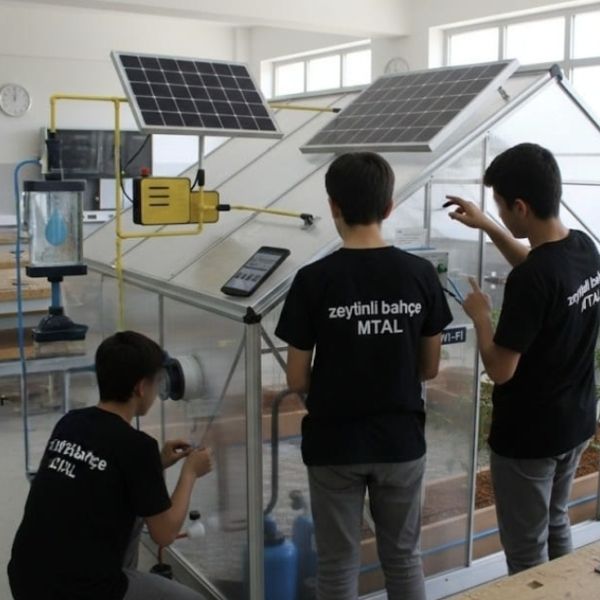
Salty soil, shrinking farmland, and a group of high schoolers who refused to sit it out. With assistance from the 2025 Global E-STEM Award, students teamed up with local farmers to build a solar-powered prototype—now reshaping how one school teaches science, tech, and community action.
-
2025 CEE-Change fellow, Jaclyn Stallard, is building bridges as a Curriculum Advisor with Project Learning Tree (PLT). Her project, "ALOHA EE: Increasing Impact Across Hawai'i," focuses on bringing Project Learning Tree to the islands, but not through a traditional top-down approach. Instead…
-
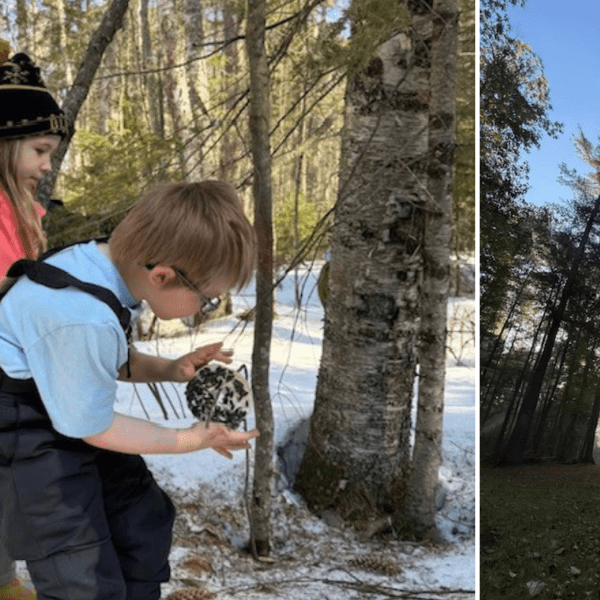
One of the most meaningful examples of the ripple effects of 2025 CEE-Change Fellow Cameron McKenzie's time with the CEE-Change Fellowship has been the development of a Tiny Forest and Outdoor Living Lab at Readington Middle School in New Jersey. Read more about how it shaped his approach to the…
-
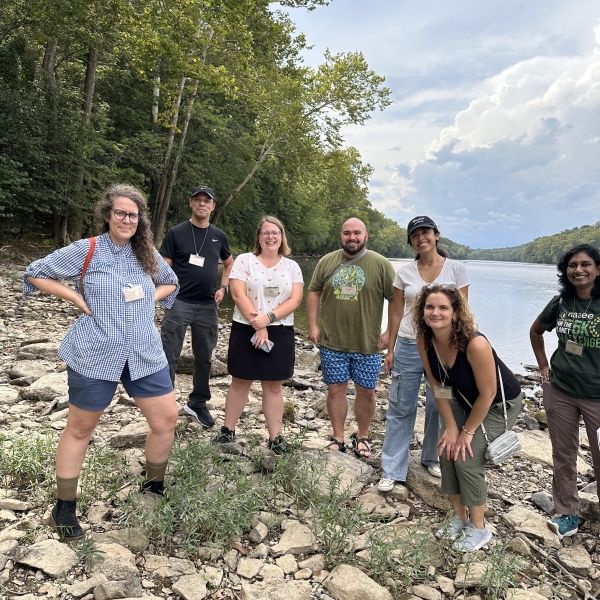
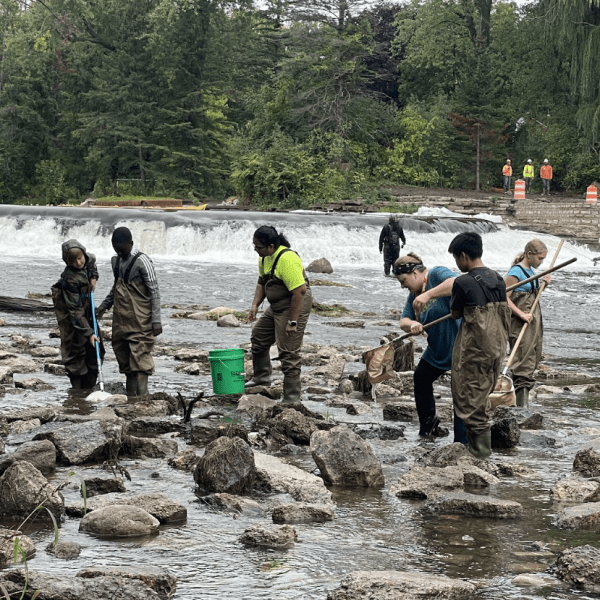
2025 CEE-Change Fellow Teresa Cole serves as the James River Association's director of education. Her Community Action Project reimagined the pre-existing programs to deepen students’ understanding of the issues related to the James River and empower more youth to make meaningful and lasting changes…
-
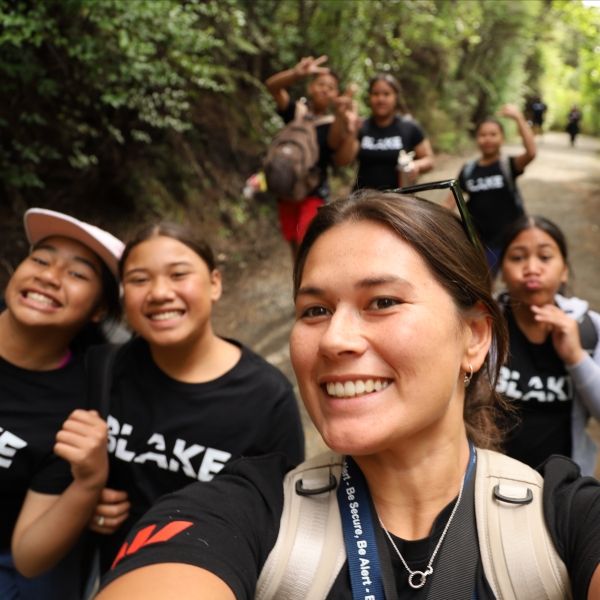
Ginny Ellis-Kirifi is a 2025 CEE-Change Fellow working in Aotearoa (New Zealand) to inspire and educate young people as guardians of their environment. Learn more about Ginny's role with BLAKE, supporting the planning and delivery of week-long environmental education and leadership experiences.
-
Discover how ee360+ is strengthening environmental education through collaboration with training Partners like Project WILD, to provide innovative and effective resources and training opportunities to broader networks and new audiences.
-
Over the past five decades, children have lost much of the freedom to roam and build their own worlds. This blog asks what that decline in independent mobility might mean for children's mental well-being, weaving research with personal memories of developing a lasting sense of place.
-
Mrs. Lalitha Murali, a teacher for the Glendale River-Hills School District and 2025 CEE-Change Fellow, reflects on her experience at the CEE-Change Leadership Institute. Following her time there, Lalitha worked to add a civic leadership layer to her school's STEAM Program.
-
It’s the time of the year when students and teachers alike are ready to head outdoors! Here are ideas and resources to take learning outside in ways that make us healthier, happier, and smarter.
-
Supported by ee360 and ee360+, Earth Force and the Inland Seas Education Association (ISEA) are continuing to strengthen their eight-year organizational partnership. Together, they are working to train educators, deepen civic engagement, and help define what best practice looks like for the field.
-
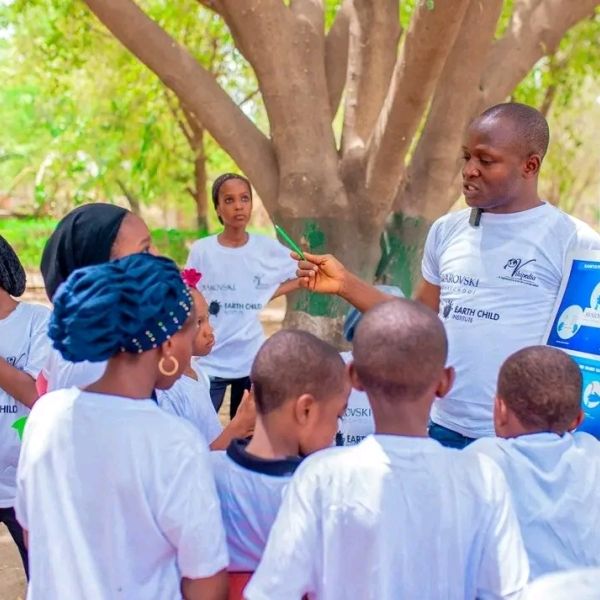
Earthstorytelling reimagines climate education in Northern Nigeria to help young people become active authors of ecological futures.
-
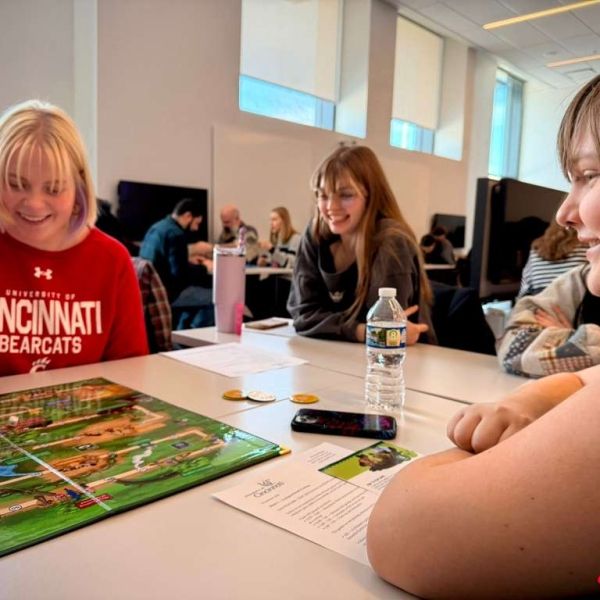
ATi is an educational sustainability board and mobile game developed by Amanda Kporwofa through EcoGames Foundation to raise awareness about deforestation and environmental protection. Learn more about this game designed to combat the rapid loss of Ghana's forests.
-
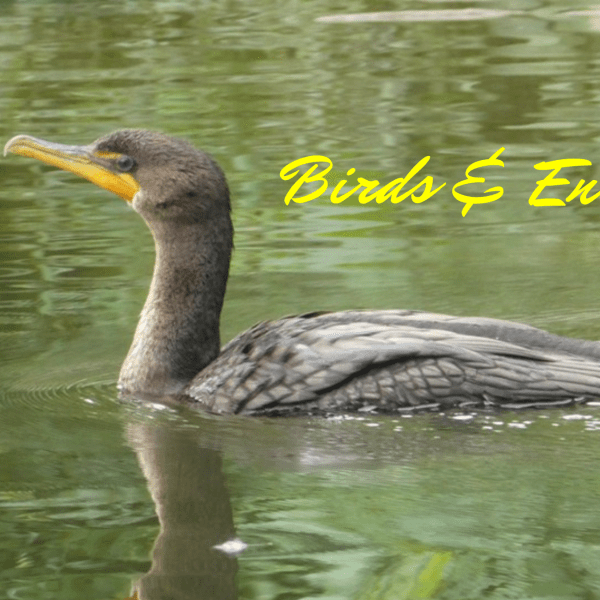
What can birds teach us about energy? This post highlights a program that uses bird adaptations as an entry point to explore energy concepts, making environmental education more engaging, accessible, and relevant to today’s challenges.
-
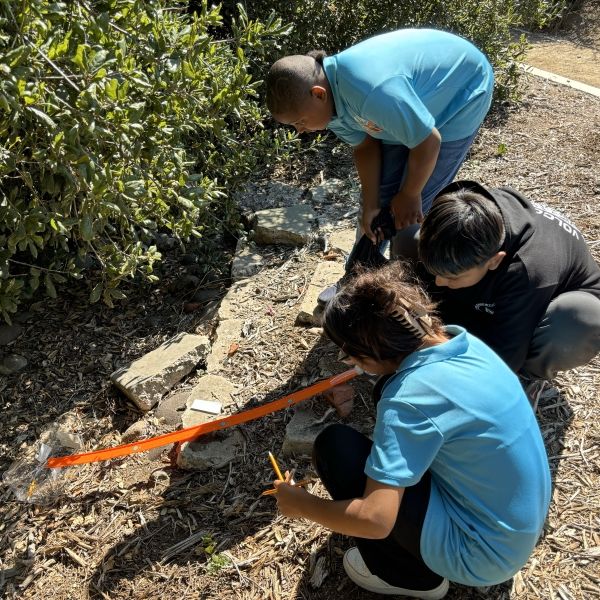
With assistance from the 2024 Global E-STEM Award, Groundwork San Diego-Chollas Creek deepened their partnership with Millennial Tech Middle School to deliver a full-year, interdisciplinary, project-based learning (PBL) curriculum across 6th, 7th, and 8th grades.
-
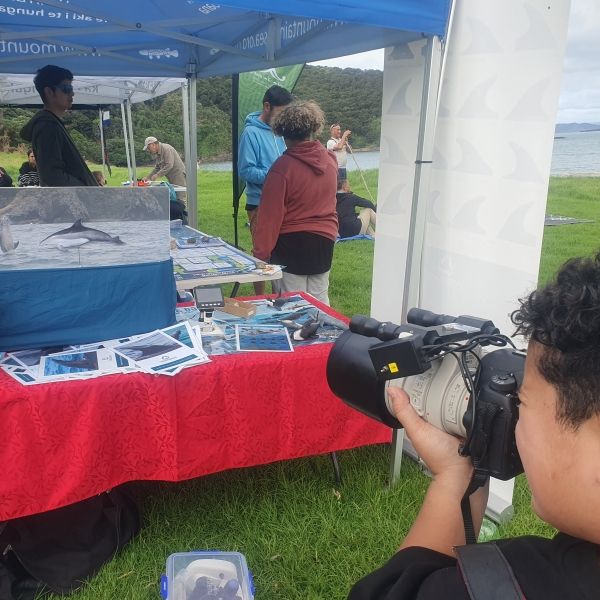
TriOceans Education Trust brings hands-on science education to young people growing up in coastal New Zealand communities. With help from a 2024 Global E-STEM Award, TriOceans launched an outreach program that offers experiential ocean science activities directly to schools and community groups.
-
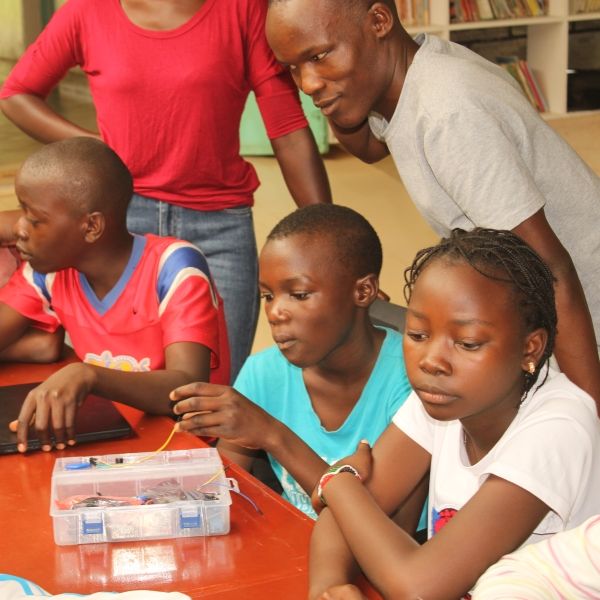
With support from the 2024 Global E-STEM Award, the Riley Orton Foundation (ROF) works to bring STEM concepts to rural schools in Kenya. In the organization's Climate Solutions project workshops, students learn renewable energy and IoT (Internet of Things) technologies, addressing clean water access…
-
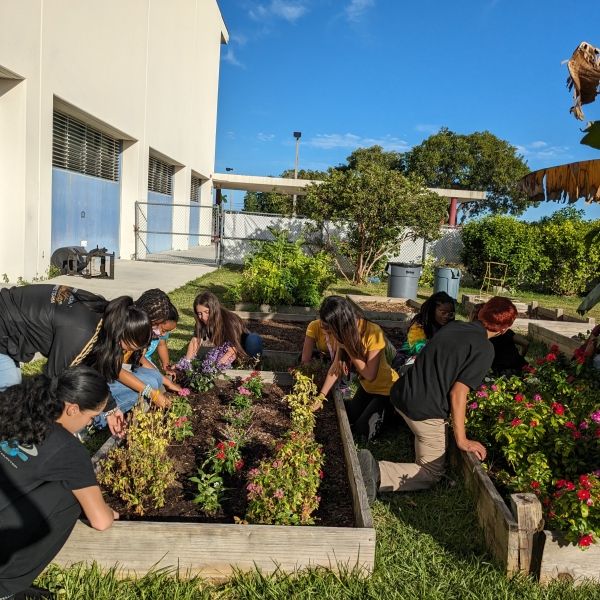
A 2024 Global E-STEM Award winner, Dream in Green is working to bring E-STEM education to K–12 students across South Florida through their Green Schools Challenge initiative. The program blends STEM concepts with project-based learning to engage students.
-
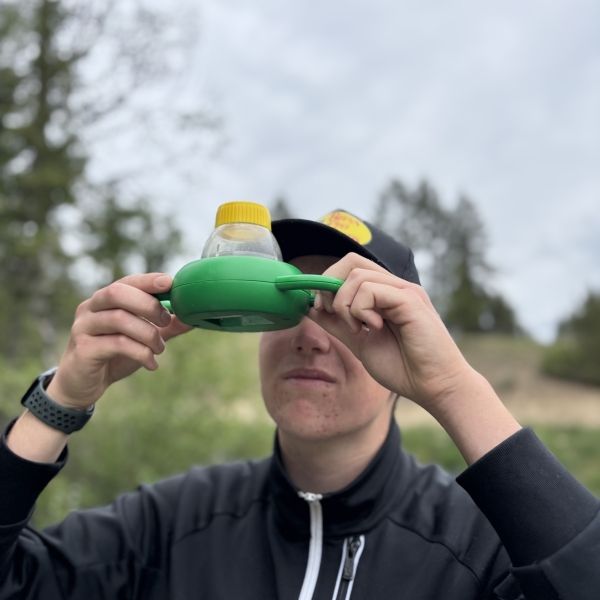
Living Lakes Canada educates about environmental challenges within local watersheds. With the support of the 2024 Global E-STEM Award, the Watershed Matters program equips high school students with the skills needed to not only understand the issues around them, but to make a local difference.
-
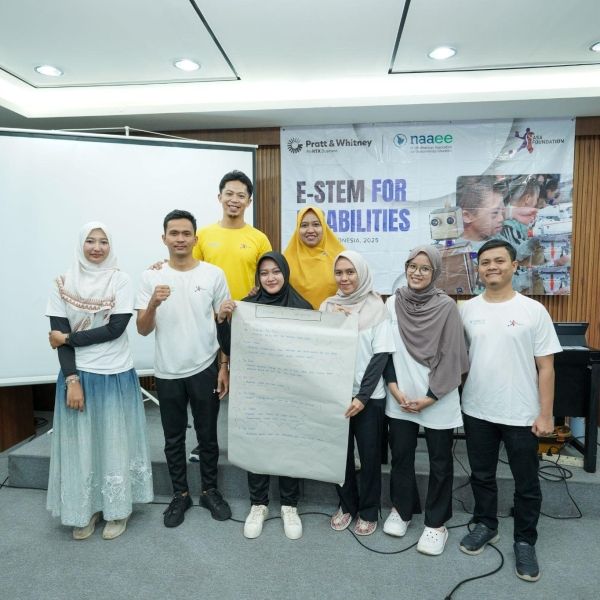
With the support of an E-STEM Award from Pratt and Whitney and NAAEE, the ASA Foundation’s E-STEM for Disabilities project in Indonesia is expanding E-STEM education accessibility by equipping teachers with what they need to support all learners, regardless of their abilities.