GLOBE Program
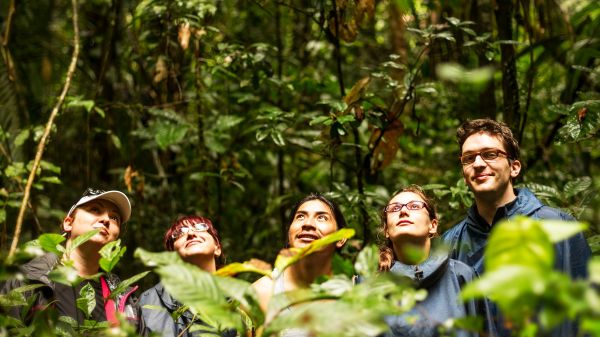



The Global Learning and Observations to Benefit the Environment (GLOBE) program is an international science and education program that focuses on promoting scientific literacy and building connections between people passionate about the universe.
The GLOBE Program stands out as an exceptional resource because it actively engages students in the process of *doing* science. It actively engages and invites students to immerse themselves in the scientific process, collaborate with professional scientists, contribute to data collection campaigns that advance current research, and participate in dynamic in-person and virtual experiences. Its systems-thinking approach encourages students to view the Earth as an interconnected system, deepening their understanding of topics such as climate change and public health, and equipping them with the knowledge and tools to navigate complex global challenges.
Citizen and community science is scientific research conducted, in whole or in part, by nonprofessional scientists. Citizen and community science is sometimes described as public participation in scientific research, participatory monitoring, or participatory action research. Its outcomes are often advancements in scientific research, as well as an increase in the public's understanding of science. Four common features of citizen and community science practice are: (a) anyone can participate, (b) participants use the same protocols so that data can be combined and is of high quality, (c) data can help real scientists come to real conclusions, and (d) a wide community of scientists and volunteers work together and share data to which the public, as well as scientists, have access. View more resources in the Citizen and Community Science PRO Picks collection >
Conservation education is the study of humans’ intelligent use of their natural environment through the development, management, preservation, and renewal of natural resources for material, cultural, and aesthetic needs to benefit present and future generations. Conservation education hopes to positively influence people’s attitudes, emotions, knowledge, and behaviors about wildlife and wild places. This is done through the efforts of skilled educators, who use a variety of techniques, methods, and assessments to connect and reconnect people with the natural world. View more resources in the Conservation Education PRO Picks collection >