Search for eePROs here!

Search for eePROs by interest, location, role, and more.
Search for eePROs by interest, location, role, and more.
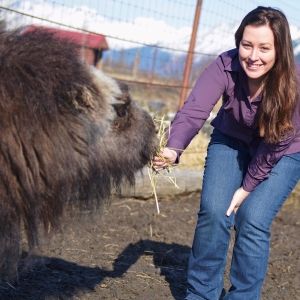
I have a long history of teaching and also in caring for animals as a zookeeper. I have long wanted education at zoos be focused on the animals here in our own backyard so we can understand our local flora and fauna and interact with it as good stewards on this planet. I have recently started as a wildlife rehabilitator and am working with a local charter school to get a native environment section put into the school.
7th Grade Science Teacher at Mohawk Junior High School
I'm Emily Carr. I'm a Senior at Western Carolina University. My major is Elementary Education. Over the past year or so, I have found myself drawn to learning about the environment and desiring to pass that knowledge along to others. I have worked with elementary-aged kids since I was 16 years old, serving as a daytime summer camp teacher every summer for the past five years. I have loved kids since I was a kid and first said I wanted to be a teacher in 1st grade. Little did I know that I would wind up loving the outdoors and desiring to spend every day outside. This has led me to explore the environment around me, whether in a city or a national forest. I love learning about nature and how each individual organism adds to the overall well-being of the environment. Because of my love of being outside, working with kids, and learning about nature, I have started to explore the option of becoming an environmental educator. Outside of loving nature and kids, I am very active in local churches and love to help other people. I have been involved with a campus ministry called Campus Outreach during my time at Western and have discovered a deep-rooted love of getting to know people on a personal level and helping them discover what they truly believe. My favorite way to get to know someone is by going on a hike with them. This combines two of my interests, getting to know people and being outdoors.
I have been am a high school Science teacher in Missouri for the past 13 years. I am married with 3 children and 6 wonderful grandchildren. I love being a teacher and my passion is environmental education. Children are our future so educating them about how they can be good environmental citizens is so important!
Working in the newly formed Environmental Education and Stewardship Division at the United States Environmental Protection Agency (US EPA) as a Senior Public Engagement and Outreach Specialist. Currently working on engaging with educators and their students to apply for awards and grants. Also working to help revamp outreach and communications around environmental education for the Agency.