Wisconsin’s KEEP Energy Lessons
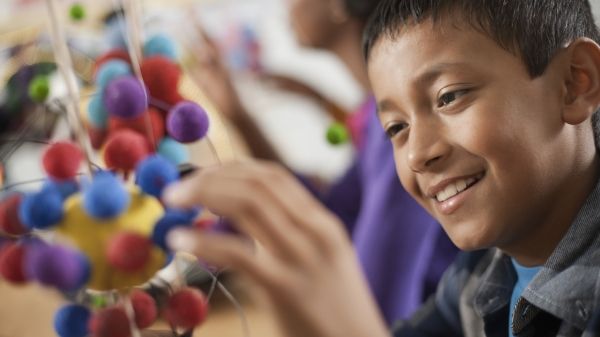





The KEEP Energy Lessons collection, developed by the Wisconsin K–12 Energy Education Program at the University of Wisconsin–Stevens Point, provides interdisciplinary, hands-on curricula designed to teach foundational and advanced energy concepts across all grade levels (K–12).
Core Features & Curriculum Focus
- K–12 Interdisciplinary Framework: Integrates science, mathematics, social studies, and personal finance into ready-to-use lessons organized by grade bands (K–4, 5–8, and 9–12).
- Hands-On Audits & Investigations: Features activities like Building Energy Detectives, Pulling the Plug on Vampire Loads, and school lighting or thermal surveys. Students actively measure, calculate, and analyze real-world energy consumption in their immediate environments.
- Core Subject Areas: Covers key environmental and technical themes, including energy conservation, climate change, renewable technologies (solar and wind), energy efficiency, and careers in the energy sector.
Educational & Community Impact
- Skill Building & Literacy: Empowers students to analyze utility bills, conduct mini-audits, and calculate potential cost and carbon savings, bridging the gap between classroom theory and practical STEM skills.
- Empowering Action: Connects individual energy habits to broader ecological and economic outcomes, encouraging students to develop actionable energy reduction plans for their homes, schools, and local communities.
Go to Wisconsin’s KEEP Energy Lessons Website
Energy conservation fundamentally relies on action—shifting individual daily behaviors (like turning off lights or adjusting thermostats) and engaging in community-level decisions (such as advocating for energy efficiency policies or local renewable energy initiatives). The resources in this collection provide an overview of energy sources, consumption, and conservation, with a core focus on engaging students in hands-on investigations, such as conducting building energy audits, measuring lighting levels, calculating vampire loads, and analyzing utility bills. These activities prioritize developing practical STEM skills, scientific inquiry, data analysis, and critical thinking to evaluate real-world energy use.Overall, this collection directly targets the primary goal of energy conservation and environmental education: translating environmental awareness into actionable personal habits and collective civic engagement.
View more resources in the Energy Conservation PRO Picks collection >