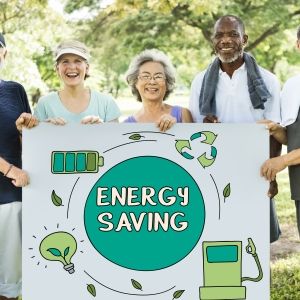
Energy Conservation



Energy conservation fundamentally relies on action—shifting individual daily behaviors (like turning off lights or adjusting thermostats) and engaging in community-level decisions (such as advocating for energy efficiency policies or local renewable energy initiatives). The resources in this collection provide an overview of energy sources, consumption, and conservation, with a core focus on engaging students in hands-on investigations, such as conducting building energy audits, measuring lighting levels, calculating vampire loads, and analyzing utility bills. These activities prioritize developing practical STEM skills, scientific inquiry, data analysis, and critical thinking to evaluate real-world energy use.Overall, this collection directly targets the primary goal of energy conservation and environmental education: translating environmental awareness into actionable personal habits and collective civic engagement.

I recommend Energy Kids because it provides authoritative, unbiased energy data translated into fun, interactive content that keeps kids engaged. Backed by the U.S. government, its games, hands-on experiments, and turnkey K–12 lesson plans make complex energy systems accessible while building strong, objective energy literacy across multiple subjects.
Guidelines: Fairness and accuracy, Instructional effectiveness
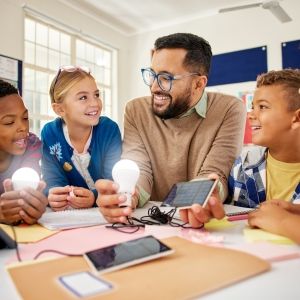
I recommend the CASDEM EngagED Energy Challenge because it turns energy conservation into practical student leadership. Through hands-on actions and friendly intra-district competition, students gain real-world problem-solving skills while fostering lasting environmental stewardship and measurable energy savings across their entire school community.
Guidelines: Personal and civic responsibility

I recommend KEEP Energy Lessons because they provide ready-to-use, interdisciplinary K–12 activities that translate abstract energy concepts into hands-on learning. Through building audits and utility analysis, students build critical STEM skills while taking direct responsibility for reducing energy consumption in their homes, schools, and communities.
Guidelines: Emphasis on skills building

I recommend this BetterLesson resource for its turnkey classroom execution, including step-by-step notes, time stamps, and downloadable materials. Built on the pedagogically rigorous 5E inquiry model, it actively engages students in deep conceptual learning while directly supporting Next Generation Science Standards (NGSS) through hands-on science practices.
Guidelines: Instructional effectiveness, Usability
I recommend the CLEAN Energy Literacy Framework because it translates complex energy and climate science into actionable, peer-reviewed classroom materials. Its alignment with Next Generation Science Standards (NGSS) saves educators valuable planning time, while the inclusion of common student misconceptions and teaching toolkits ensures lessons are both scientifically sound and pedagogically effective across all grade levels (K–16).
Guidelines: Fairness and accuracy