EIA Energy KIDS
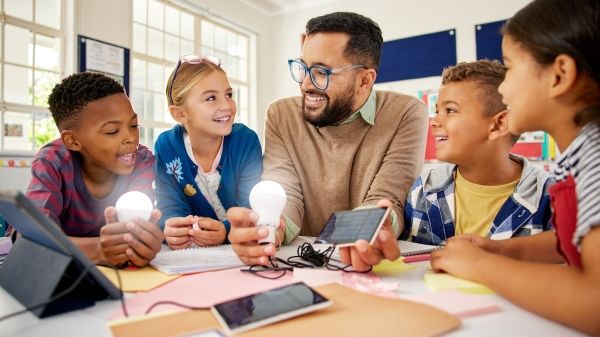





The EIA Energy Kids website, developed by the U.S. Energy Information Administration, is a comprehensive, kid-friendly digital resource hub designed to build foundational energy literacy for K–12 students and support classroom instruction.
Core Features & Educational Content
- Comprehensive Topic Coverage: Organized into clear core modules covering What Is Energy?, Energy Sources (renewable, nonrenewable, electricity, and hydrogen), Using & Saving Energy, and the History of Energy.
- Interactive Learning Tools: Hosted by site mascot Energy Ant, the site features interactive quizzes, riddles, crosswords, slang guides, and hands-on science fair experiment guides.
- Teacher Support & Curriculum Standards: Provides a robust For Teachers portal equipped with grade-banded lesson plans (Primary, Elementary, Intermediate, and Secondary), interdisciplinary activity guides (spanning Science, Social Studies, Math, and Language Arts), printable energy calculators, and unit-conversion tools.
Classroom & Community Value
- Data-Driven & Unbiased: Leverages official U.S. government energy data to present accurate, objective information about how energy is produced, distributed, consumed, and conserved.
- Accessible Real-World Concepts: Translates complex technical subjects—such as grid infrastructure, greenhouse gases, commercial building efficiency, and residential utility usage—into engaging, age-appropriate material for diverse learning levels.
Energy conservation fundamentally relies on action—shifting individual daily behaviors (like turning off lights or adjusting thermostats) and engaging in community-level decisions (such as advocating for energy efficiency policies or local renewable energy initiatives). The resources in this collection provide an overview of energy sources, consumption, and conservation, with a core focus on engaging students in hands-on investigations, such as conducting building energy audits, measuring lighting levels, calculating vampire loads, and analyzing utility bills. These activities prioritize developing practical STEM skills, scientific inquiry, data analysis, and critical thinking to evaluate real-world energy use.Overall, this collection directly targets the primary goal of energy conservation and environmental education: translating environmental awareness into actionable personal habits and collective civic engagement.
View more resources in the Energy Conservation PRO Picks collection >