Air Quality





Air quality is a good indicator of environmental health and climatic conditions. Use the resources below to engage learners in discussions about how local, regional, and global environmental concerns impact the air we breathe. From simulations to data collection using air quality sensors, these resources provide engaging approaches to teaching about air quality.

I love visualizations and using real data in the classroom to teach and learn about the world around us.
This activity is short and easy for teachers to incorporate into an existing lesson, and there are options to extend for deeper classroom engagement and incorporation into a bigger lesson or unit.
Guidelines: Depth of understanding, Emphasis on skills building, Fairness and accuracy, Instructional effectiveness, Usability
The hands-on, rigorous nature of this program makes it an amazing resource for high school environmental science.
Teachers can use this curriculum with any air quality sensor or publicly available datasets, so the depth of inquiry remains intact regardless of available equipment.
Guidelines: Depth of understanding, Emphasis on skills building, Fairness and accuracy, Instructional effectiveness, Personal and civic responsibility, Usability
I love that this is a one-stop, vetted hub—teachers don’t have to spend hours searching and evaluating materials because UCAR has already done that work.
The flexibility of the Teaching Box format means it works equally well for a teacher who wants to add one strong activity to an existing unit or for a teacher building a full air quality sequence from scratch.
Guidelines: Depth of understanding, Emphasis on skills building, Fairness and accuracy, Instructional effectiveness, Usability
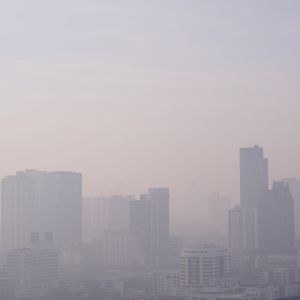
Given the increasing frequency and geographic reach of wildfires, this lesson connects directly to an environmental crisis many students are already experiencing firsthand.
The use of free, publicly available crowdsourced data makes it applicable to any classroom nationwide, and the health-protective framing naturally supports students as informed civic actors who can take action to protect themselves and their communities.
Guidelines: Depth of understanding, Emphasis on skills building, Fairness and accuracy, Instructional effectiveness, Personal and civic responsibility, Usability
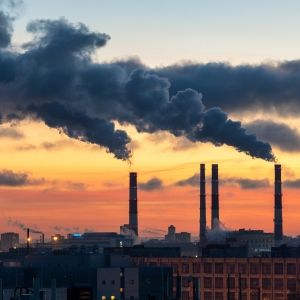
These mini-lessons are a gift to busy teachers—minimal prep, authentic NASA and EPA data, and a format flexible enough to drop into almost any existing lesson.
The data literacy skills students practice (reading AQI maps, interpreting time-series plots, making claims from evidence) are directly aligned with how environmental scientists actually work, which I think is really powerful.
Guidelines: Depth of understanding, Emphasis on skills building, Fairness and accuracy, Instructional effectiveness, Usability