Rethinking Environmental Education Through Story




Editor's note: This post was written by Victor Ayegba Mathew, an EE 30 Under 30 Awardee, Class of 2023.
Imagine if environmental education began not with facts, but with questions about who we are in relation to the Earth.
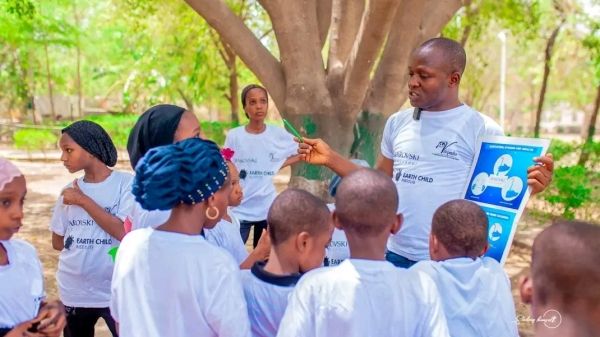
Across Northern Nigeria’s Sahel region, young people experience climate change as a lived reality. Desertification, vanishing water sources, and changing seasons shape their daily lives. Yet conventional environmental education often teaches climate change as distant science, emphasizing data over meaning and information over belonging. This disconnect inspired my work with Earthstorytelling, a program and replicable school-based model created by Vikipedia Initiative that invites youth to engage with their environment through local storytelling, creative expression, and outdoor learning. It operates through school clubs that use narrative practices to deepen environmental understanding and is designed so educators can easily adapt it within their own contexts. Bring Earthstorytelling to your school.
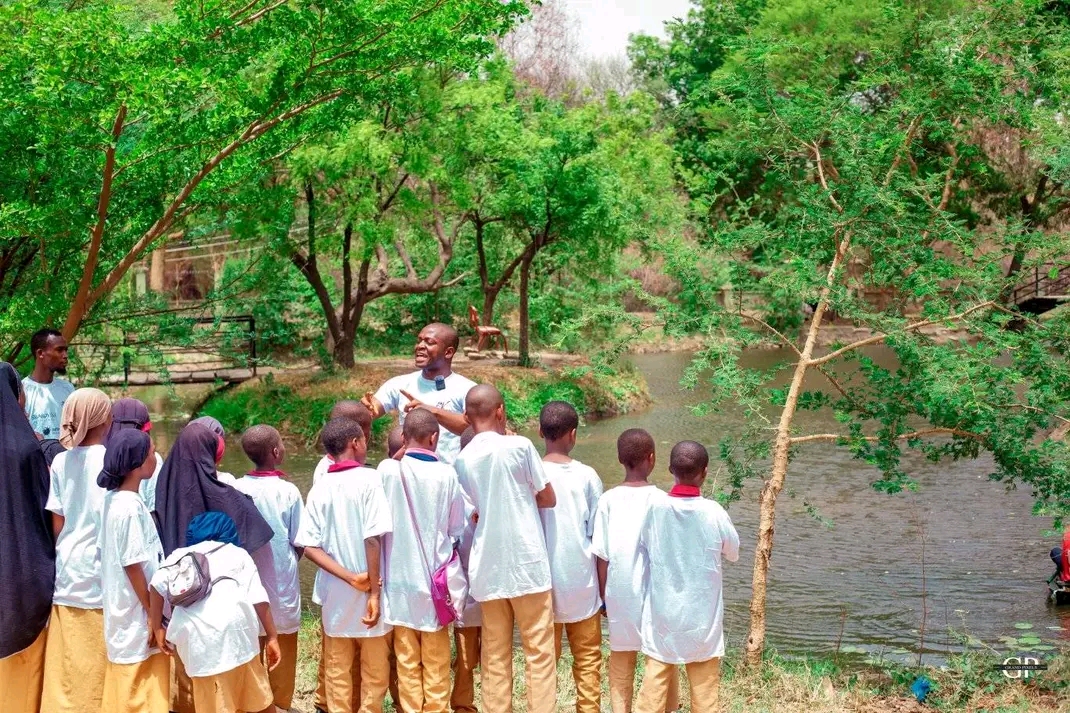
Imagine if we treated imagination as a tool of ecological responsibility. In my experience, storytelling is not merely a way to communicate science; it is a way to know, relate, and act. Through guided reflection, artistic expression, and dialogue, young people connect deeply with their environment, see themselves as part of its story, and develop a sense of agency to act.
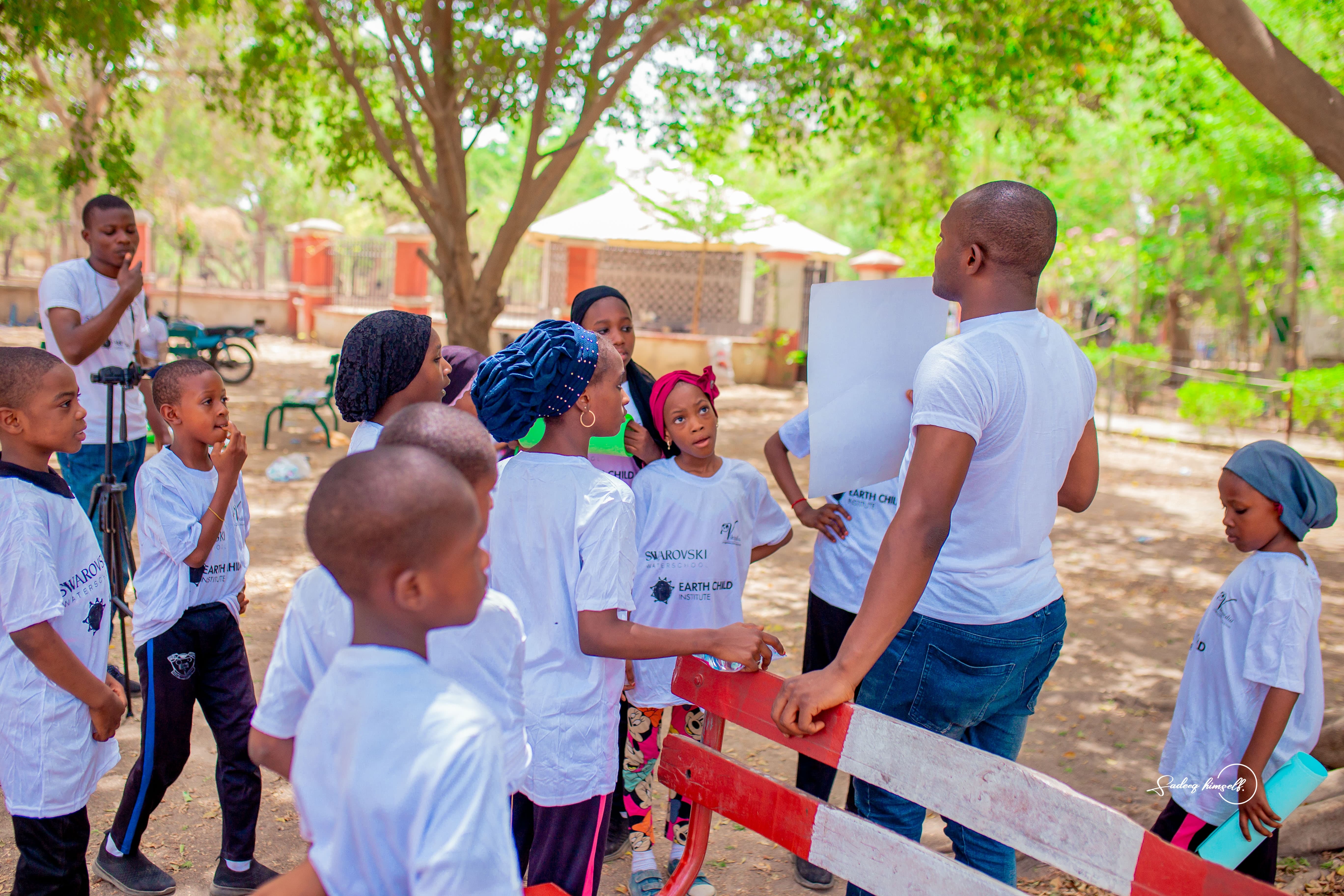
Over the past seven years, Earthstorytelling Clubs across 35 schools have engaged over 5,000 students, helping them reimagine their communities, water systems, and landscapes. When students tell the stories of their local rivers, forests, or gardens, they begin to perceive themselves not as passive observers, but as active participants in shaping ecological futures.
Imagine if environmental education cultivated identity as well as knowledge. Science alone can inform, but story inspires care, empathy, and responsibility. When young people see themselves as authors of their environment, they are more likely to act, advocate, and innovate solutions that fit their communities.
The philosophy behind Earthstorytelling challenges us to ask: What if climate education did more than teach? What if it cultivated imagination, moral reflection, and ecological citizenship? What if young people everywhere were empowered to rewrite the story of their planet?
Through my work, I have seen that the answer is possible. By centering local knowledge, narrative, and creative engagement, we can transform environmental education from instruction into relationship, from data into meaning, and from awareness into action. Imagine if we all taught climate as story.