Blog
-
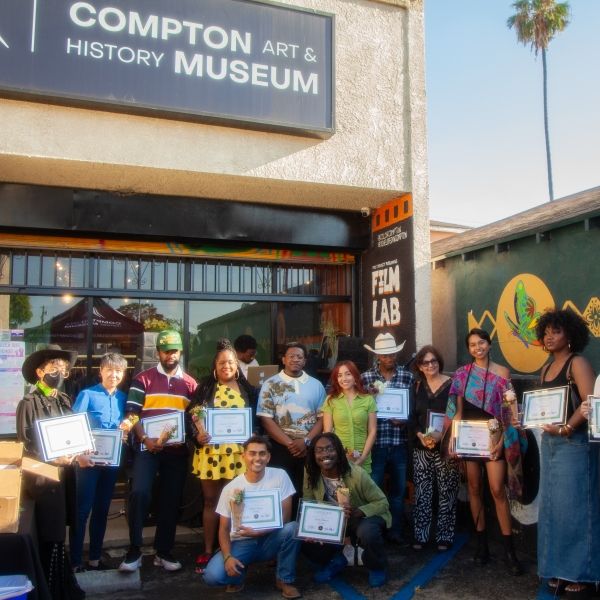
To some, Compton may seem marred by connotations antithetical to environmental education, but not to CEE-Change Fellow Christopher Davis. Inspired by the loss of a historic environmental landmark, Christopher seized this somber moment to create an exhibition championing environmental stewardship in…
-
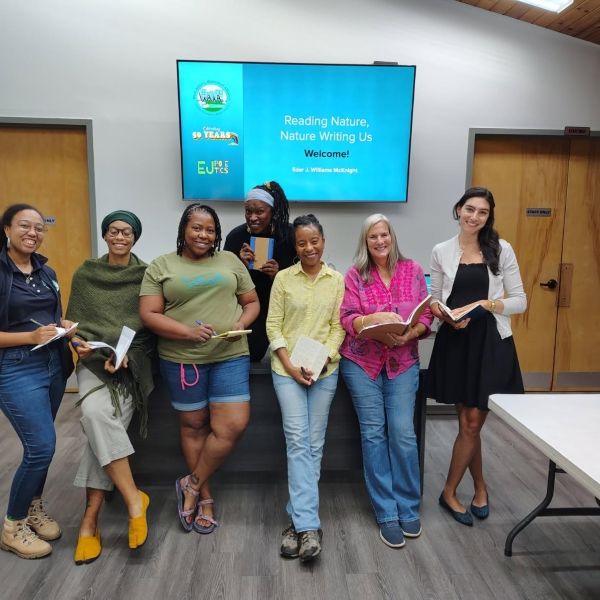
Before you put pen to paper, try taking a breath. Read how guided meditation can open up new possibilities for nature writing, and find a meditation you can try for yourself and bring to your students.
-
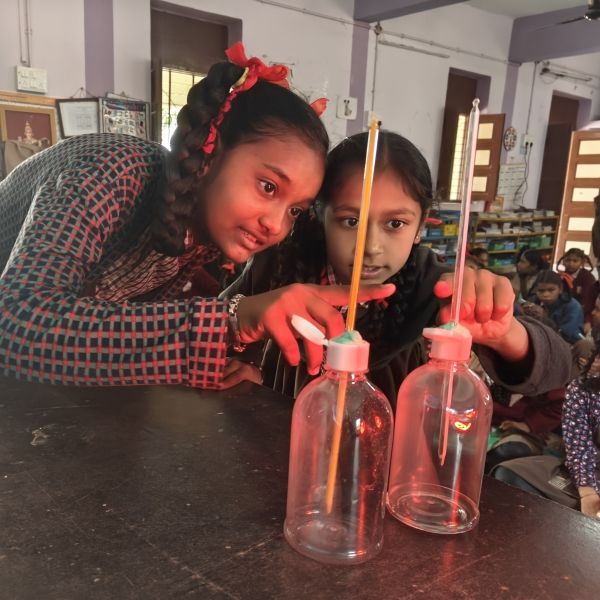
2024 Global E-STEM Awards winner, VASCSC brought hands-on climate workshops to communities across Gujarat—where students built compost units, tested air quality, and debated biodiversity, transforming abstract science into local solutions that now ripple through schools and villages alike.
-
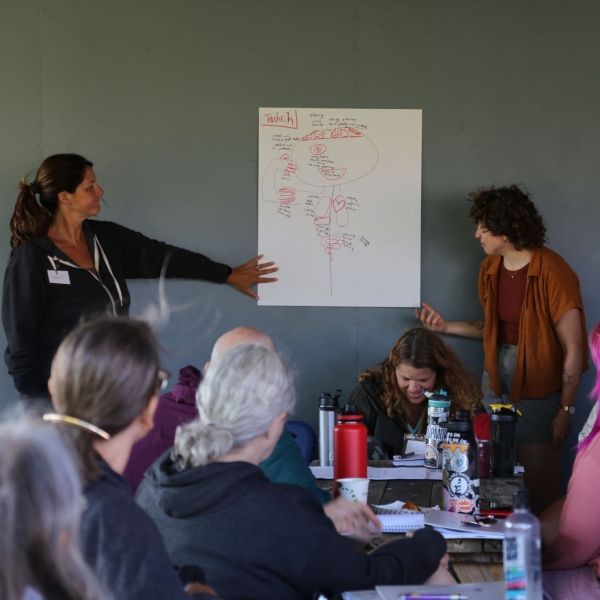
2025 CEE-Change fellow, Jaclyn Stallard, is building bridges as a Curriculum Advisor with Project Learning Tree (PLT). Her project, "ALOHA EE: Increasing Impact Across Hawai'i," focuses on bringing Project Learning Tree to the islands, but not through a traditional top-down approach. Instead…
-
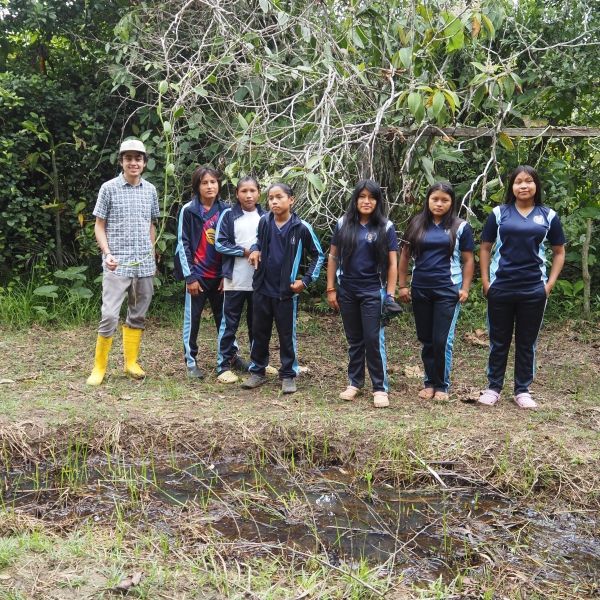
Through the Global E-STEM Awards’ Next Generation Transportation Grant, Fundación Pachamama is using a solar powered canoe as a learning platform as well as sustainable transportation that provides access to education for remote communities on the Amazon River.
-
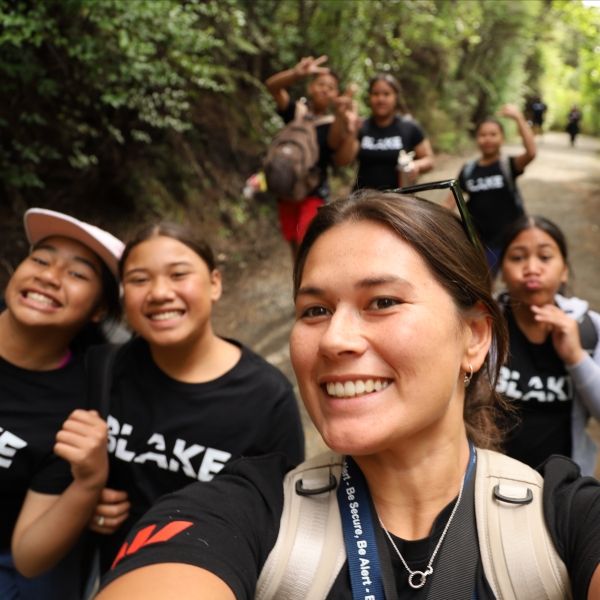
Ginny Ellis-Kirifi is a 2025 CEE-Change Fellow working in Aotearoa (New Zealand) to inspire and educate young people as guardians of their environment. Learn more about Ginny's role with BLAKE, supporting the planning and delivery of week-long environmental education and leadership experiences.
-
Over the past five decades, children have lost much of the freedom to roam and build their own worlds. This blog asks what that decline in independent mobility might mean for children's mental well-being, weaving research with personal memories of developing a lasting sense of place.
-
2025 CEE-Change Fellow Jeftey Saint Fleur writes about his arrival in the United States and inspiration for his Community Action Project, Green Bridges. He found opportunities to strengthen and refine the vision of the project at the CEE-Change Leadership Institute last year.
-
Supported by ee360 and ee360+, Earth Force and the Inland Seas Education Association (ISEA) are continuing to strengthen their eight-year organizational partnership. Together, they are working to train educators, deepen civic engagement, and help define what best practice looks like for the field.
-
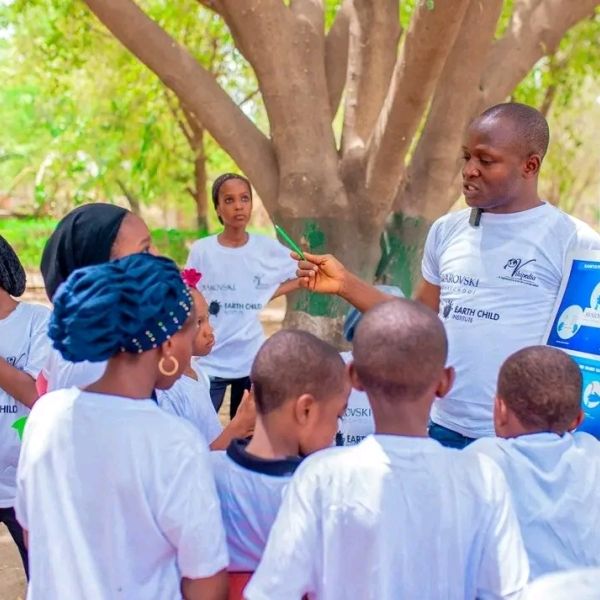
Earthstorytelling reimagines climate education in Northern Nigeria to help young people become active authors of ecological futures.
-
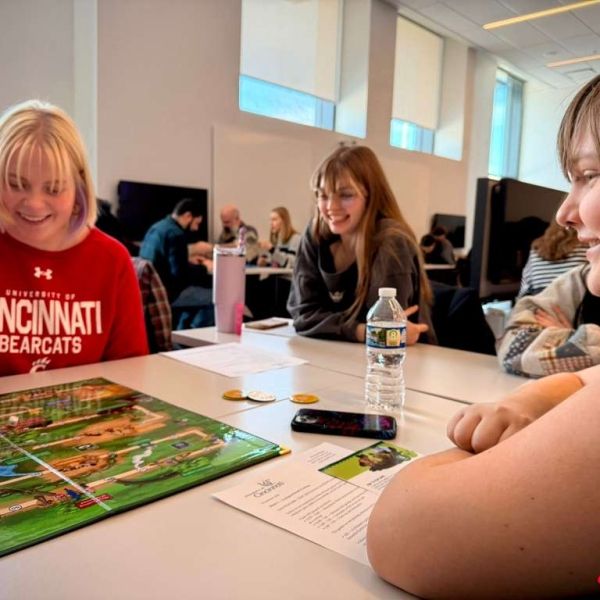
ATi is an educational sustainability board and mobile game developed by Amanda Kporwofa through EcoGames Foundation to raise awareness about deforestation and environmental protection. Learn more about this game designed to combat the rapid loss of Ghana's forests.
-
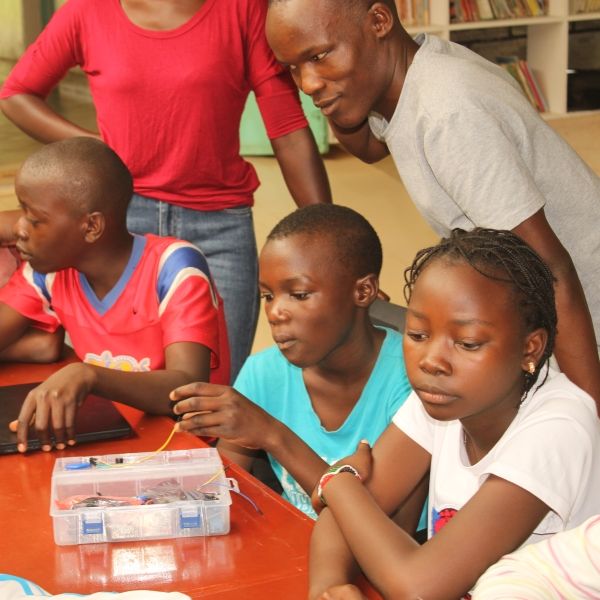
With support from the 2024 Global E-STEM Award, the Riley Orton Foundation (ROF) works to bring STEM concepts to rural schools in Kenya. In the organization's Climate Solutions project workshops, students learn renewable energy and IoT (Internet of Things) technologies, addressing clean water access…
-
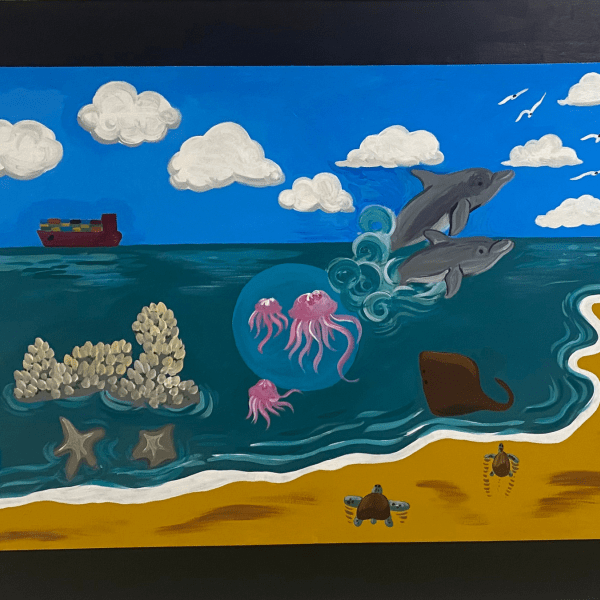
A hurricane hit the habitat preserve surrounding a small Texas school, but Artist Boat turned repair into real learning. With support from the eeBLUE 21 CCLC Watershed STEM Education Partnership Grant, students saw resilience firsthand and discovered why their coastal ecosystem needs them.
-
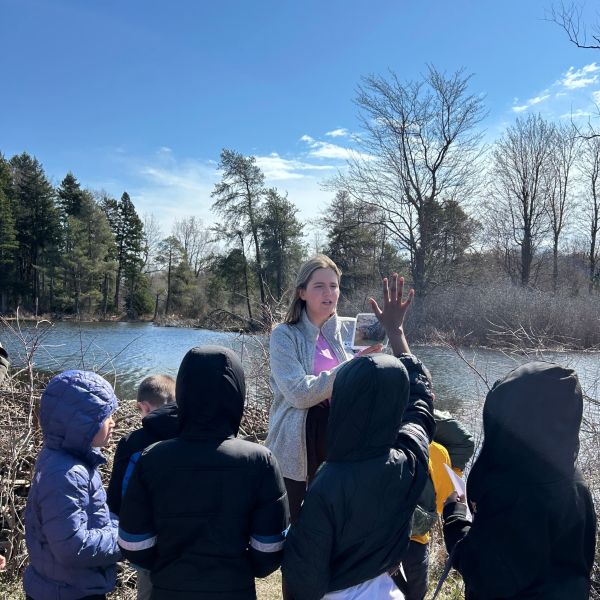
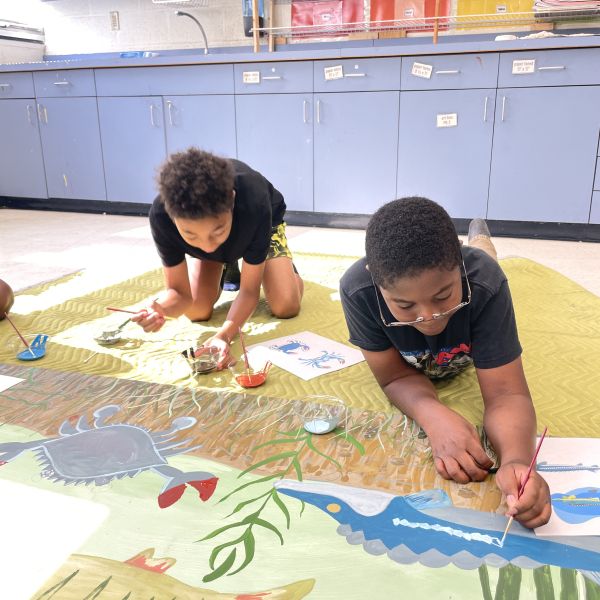
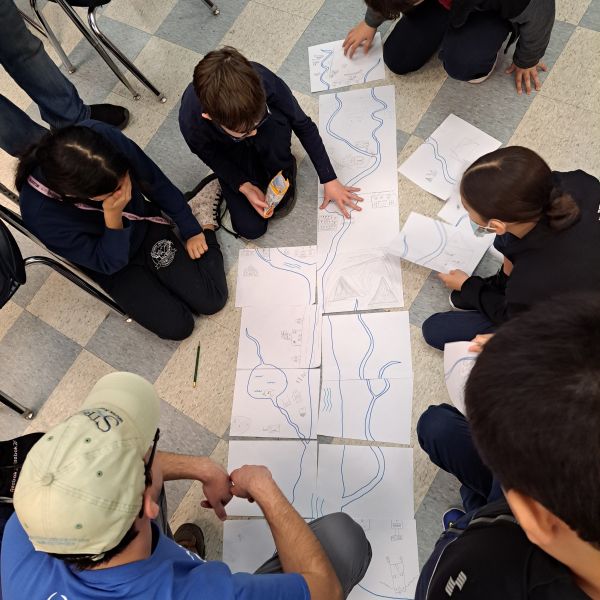
"What creek?" became "our creek" after ten weeks of learning. Engaging young students in their local watershed through field trips, water testing, and storytelling transformed a forgotten waterway into a shared stewardship. Get the full story in the latest education of the eeBLUE Watershed…
-
Made possible through the eeBLUE Aquaculture Literacy Mini-Grant, the Get Aquacultured! podcast dives into the systems, stories, and people behind modern aquaculture, served with saltwater charm.
-
Feeling stretched thin? This educator’s journey from burnout to renewal shows how nature, emotional presence, and the Guidelines for Excellence can reconnect us to why our work matters.
-
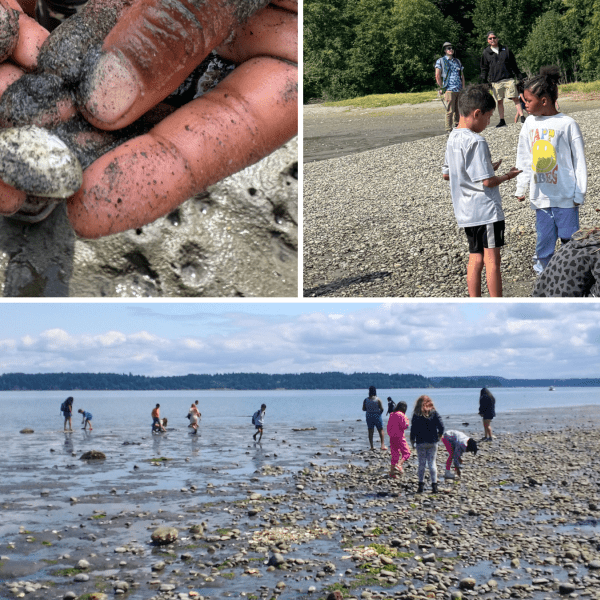
Read how hands-on science, beach explorations, and after-school activities helped students connect their daily lives to the health of Puget Sound in our eeBLUE Watershed Chronicles.
-
Nineteen days and a summer full of campers. Through an eeBLUE grant, ShoreRivers and Caroline County Recreation and Parks built stronger partnerships to provide unforgettable learning experiences for 60 fifth-graders.
-
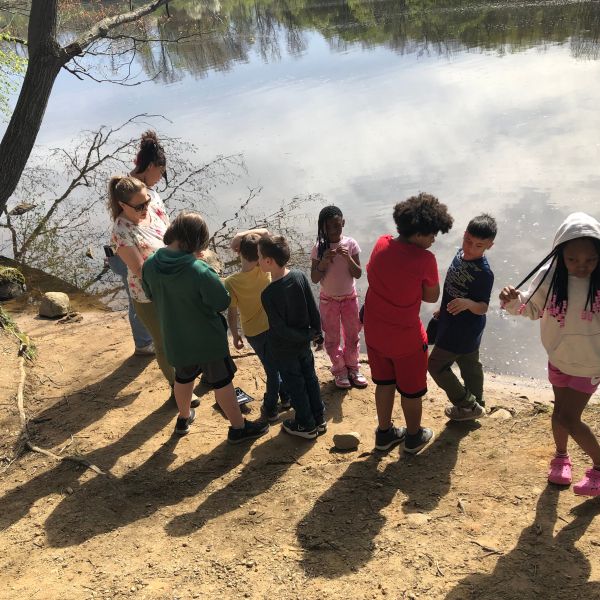
Through an eeBLUE Watershed STEM Education Partnership grant, students tested water quality, kept nature journals, and explored the science in their own backyards. Read our latest Watershed Chronicles to see how hands-on learning keeps curiosity flowing.
-
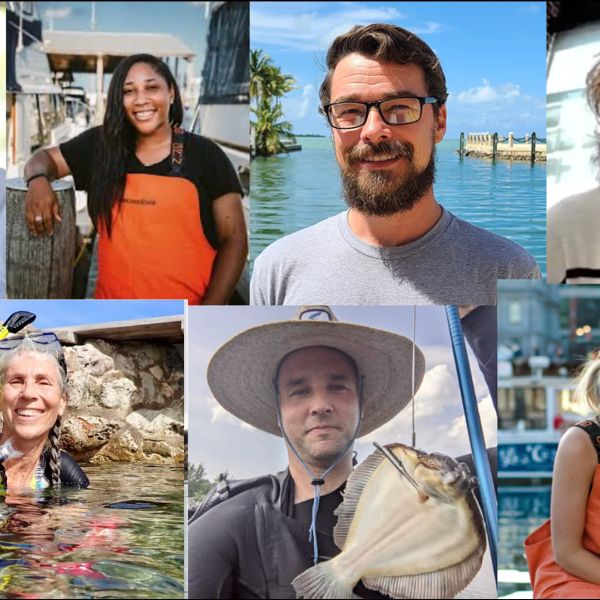
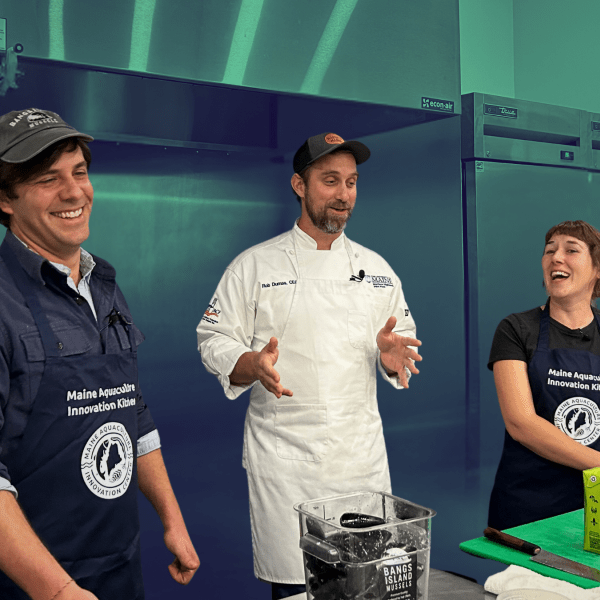
What if your next seafood recipe came with the story of how it was grown? Supported by the eeBLUE Aquaculture Literacy Mini-Grants Program, Farmers MAI-Kit blends farm tours, cooking demos, and conversations with farmers into one tasty way to learn about aquaculture.
-
What if school helped students imagine not just what is, but also what could be? Speculative thinking taps into critical consciousness, helping learners analyze systems and dream up possibilities. See how this mindset can transform your classroom.
-
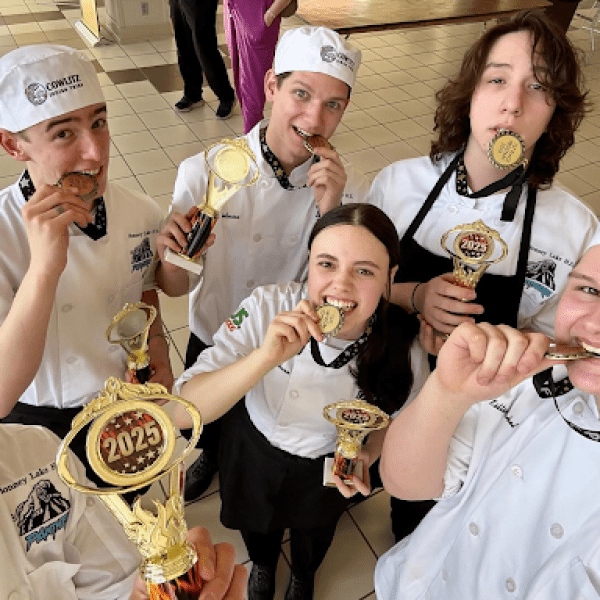
From tide to table to trophies—students turned sablefish into success. In our latest Harvest Stories, dive into the full story to see how education and seafood flavor come together in one unforgettable project.
-
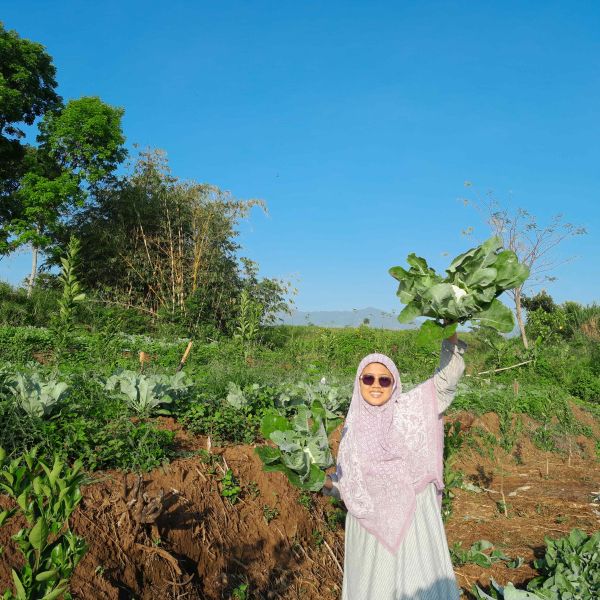
Inspired by the landscapes of the DRC, Kristian Katele created the "Green Piano," a one-of-a-kind way to bring music and reforestation together. Read his story.
-
What do a sponge and an ice cube tray have to do with tree science? Students in Stroud Center's after-school programming are making surprising and fun connections within the world of watershed education. Read the full story in the latest Watershed Chronicles, a blog series by, about, and for…