Bringing Energy Topics Into Your Classroom


The CLEAN Energy Literacy Framework (hosted on CLEANet) serves as an authoritative hub for teaching complex energy topics across grade bands (K–12 through higher education). Framed around seven core Energy Literacy Principles (developed by federal agencies and energy scientists), it bridges fundamental physical science with real-world human energy choices.
- Peer-Reviewed Educational Collection: Features hundreds of rigorously vetted digital learning materials—including lab activities, simulations, visualizations, and videos—that pass both scientific accuracy and pedagogical review processes.
- Standards-Aligned Framework: Integrates directly with the Next Generation Science Standards (NGSS), allowing teachers to map energy conservation lessons across disciplinary core ideas, science/engineering practices, and crosscutting concepts.
- Pedagogical Guidance: Offers explicit teacher toolkits with background science essays, common student misconceptions, and cross-curricular ideas for addressing climate, environmental, and socio-economic dimensions of energy choices.
Go to CLEAN Energy Literacy Framework
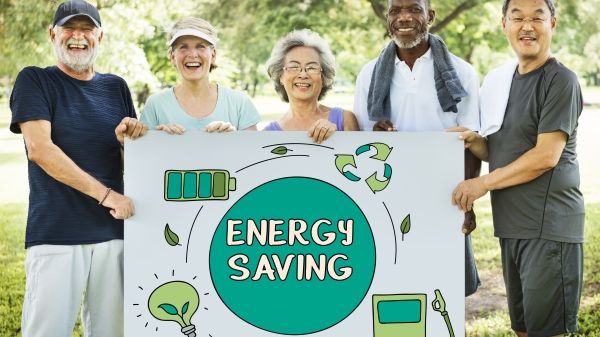
Energy conservation fundamentally relies on action—shifting individual daily behaviors (like turning off lights or adjusting thermostats) and engaging in community-level decisions (such as advocating for energy efficiency policies or local renewable energy initiatives). The resources in this collection provide an overview of energy sources, consumption, and conservation, with a core focus on engaging students in hands-on investigations, such as conducting building energy audits, measuring lighting levels, calculating vampire loads, and analyzing utility bills. These activities prioritize developing practical STEM skills, scientific inquiry, data analysis, and critical thinking to evaluate real-world energy use.Overall, this collection directly targets the primary goal of energy conservation and environmental education: translating environmental awareness into actionable personal habits and collective civic engagement.
View more resources in the Energy Conservation PRO Picks collection >