E-STEM Stories: Branching Out
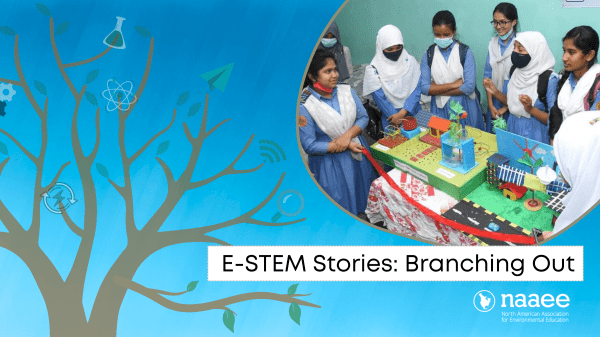


E-STEM Stories: Branching Out shares stories of innovative E-STEM work from around the world. E-STEM engages students in meaningful, real-world environmental problem-solving that integrates science, technology, engineering, and math (STEM).

Our workshop helps students connect seemingly small individual choices to larger patterns of energy use and their global impact on environmental sustainability. They then move through the human-centred design cycle, beginning with empathy for challenges faced by members of their school community, including students, staff, families, and neighbours.
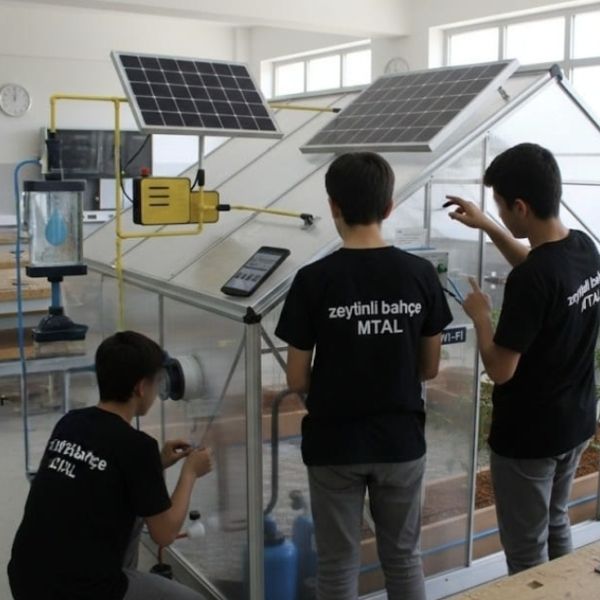
Winning the 2025 NAAEE Global E-STEM Award proved that when young people are trusted with real-world problems, their capacity for innovation is boundless. Today, SERUVA continues to grow. We are embedding the project into our school's standard curriculum, expanding our smart greenhouse automation testing, and sharing our findings across international educational networks.
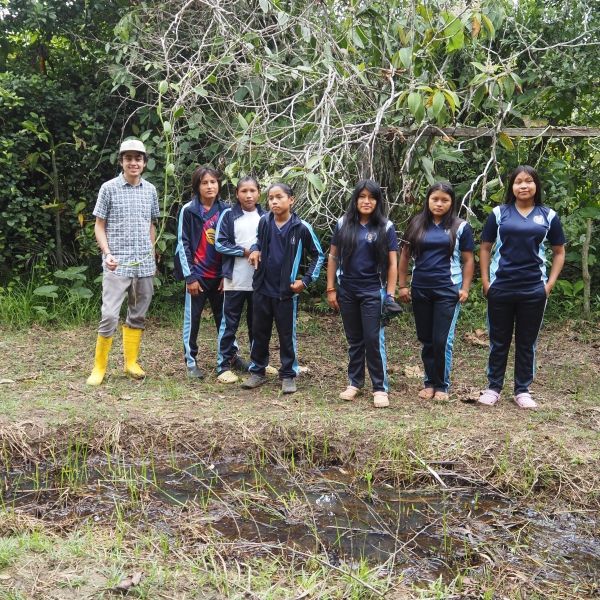
While solar boats have navigated these waters previously, the Solar Canoe project is meant to be embedded in the school’s daily life. It aligns with our larger mission of Indigenous self-determination and bioregional conservation, the longstanding goal of Fundación Pachamama and its 30 years of work in Achuar territory.

Stewardship of a community's connection to local ecosystems is a cornerstone of effective environmental education. Global E-STEM Award recipient Vikram A Sarabhai Community Science Centre (VASCSC) facilitated this by providing workshops to underserved children in Gujarat, India. Read more about how they accomplished this.
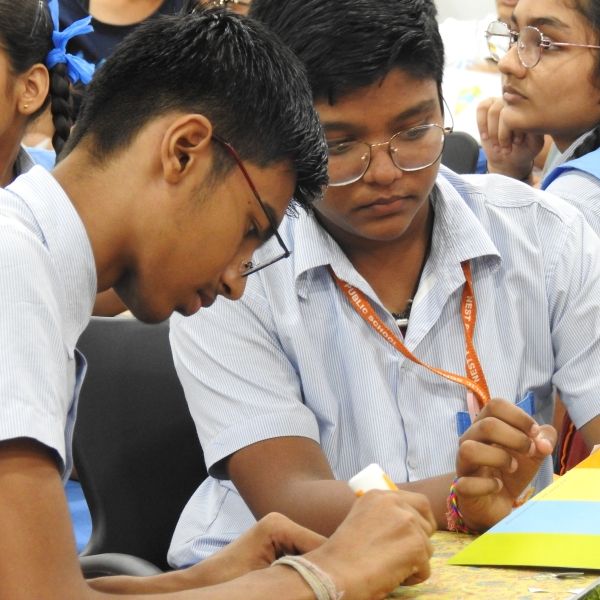
Good environmental education starts with helping communities see themselves as part of the ecosystem. That's exactly what Global E-STEM Award winner Vikram A Sarabhai Community Science Centre (VASCSC) did for underserved children in Gujarat, India. Discover how they brought this vision to life.
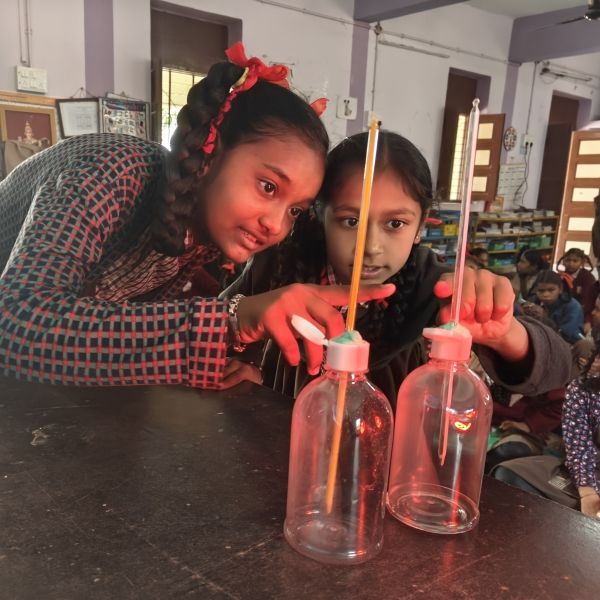

The Pratt & Whitney E-STEM award was instrumental in making this work possible. It enabled us to deepen the curriculum, invest in materials and instructional capacity, and ensure that EarthLab Educators could be present in classrooms day after day—not as a "special visitor," but as a genuine instructional partner. Teachers emphasized this point consistently: the PBL could not have happened without us embedded alongside them.
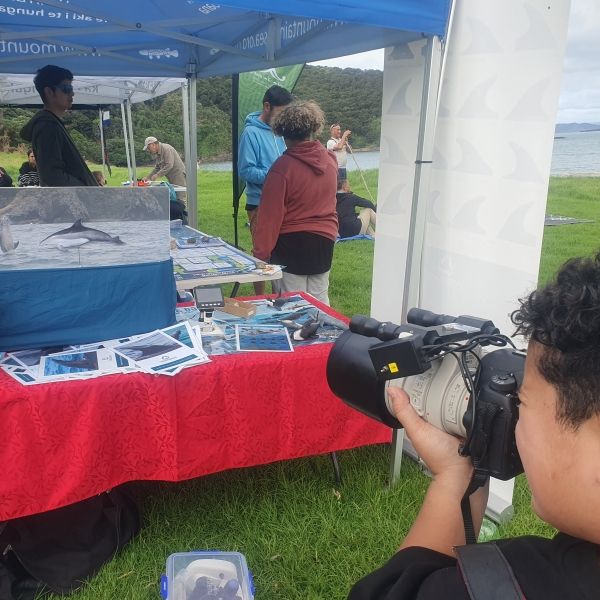
"Programs like this are particularly meaningful in regions such as Northland, where communities are deeply connected to the ocean but may have fewer opportunities to engage with STEM education. The Global E-STEM Awards made it possible for us to reach hundreds of students who might otherwise never have experienced hands-on ocean science learning." Read more about TriOceans' work in Northland, New Zealand.
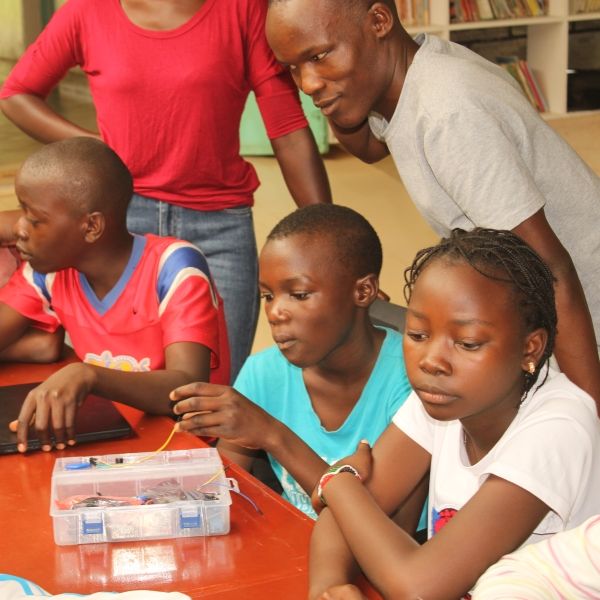
"A water-secure future will not be engineered in distant laboratories alone—it will be designed in classrooms, in villages, and in the hands of young people who believe they have the power to change their world." Discover how the Riley Orton Foundation empowers students in rural Kenya with the tools needed to face environmental challenges local to them.
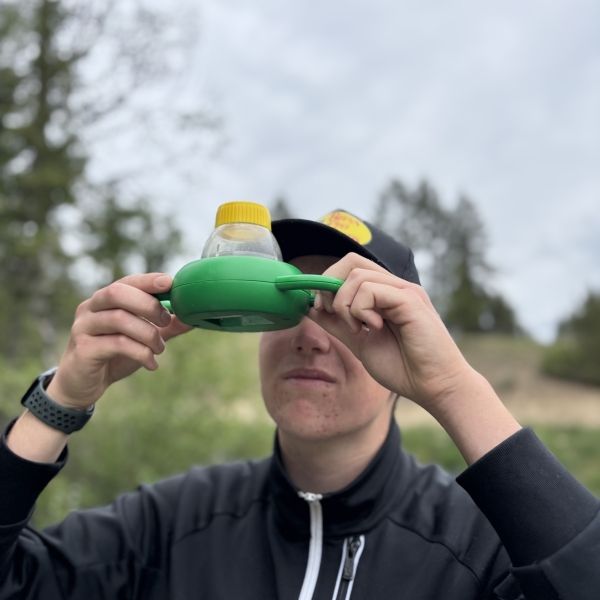
"This award has enabled us to expand from a small pilot to a full program, allowing us to connect to more classrooms and communities, strengthen curriculum-aligned modules, and enhance hands-on experiential learning opportunities for youth." Learn more about Living Lakes Canada and the impact behind the Watershed Matters program.

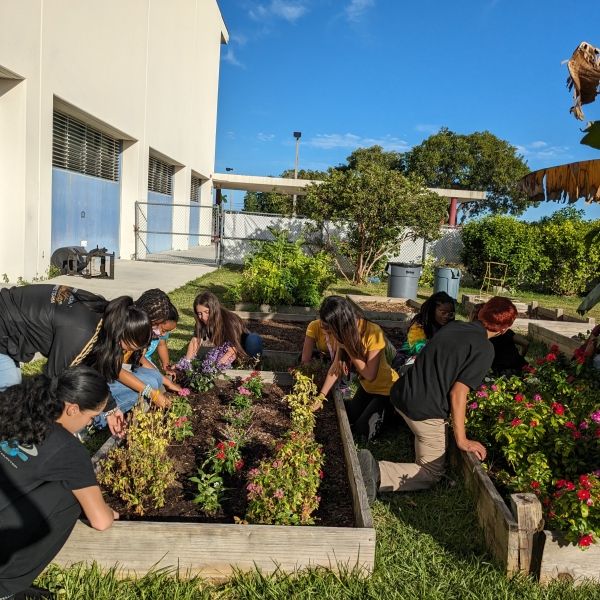
Dream in Green’s Green Schools Challenge promotes sustainability in K–12 schools through E-STEM, teacher training, and competitions, equipping students with green career skills, teamwork, and solutions-focused climate action.

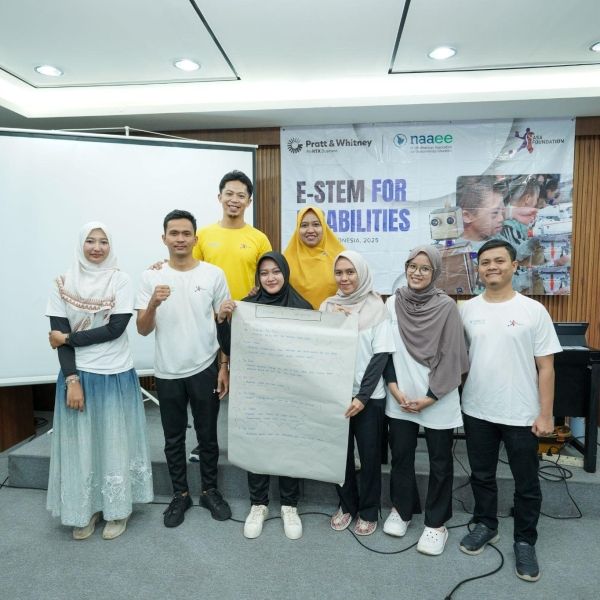
“This early impact represents more than just numbers; it reflects the transformation of classrooms into more collaborative spaces.” Explore how ASA Foundation expanded E-STEM learning to youth with disabilities using teacher training and support.
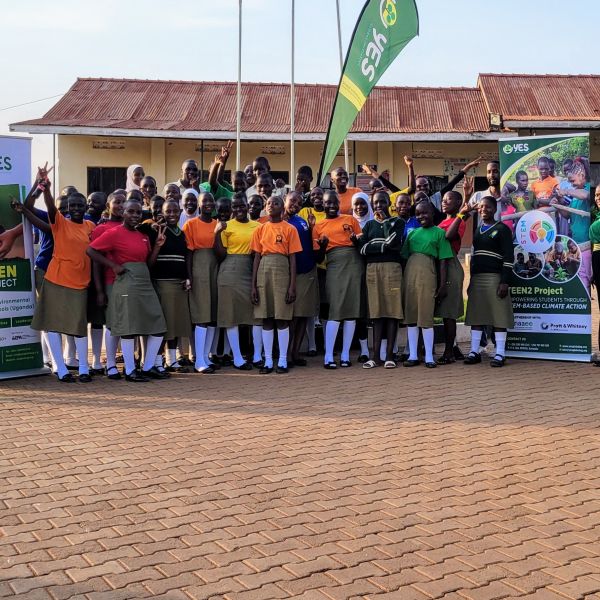
Learn more about how YES Global Initiative empowers more than 120 young people aged 11–22 across primary and secondary schools in Uganda with practical climate knowledge, STEM skills, and the tools to grow their own food—and future.
"That young inventor will make a difference in their life, and hopefully the lives of others." Learn more about STEMIE Advantages.
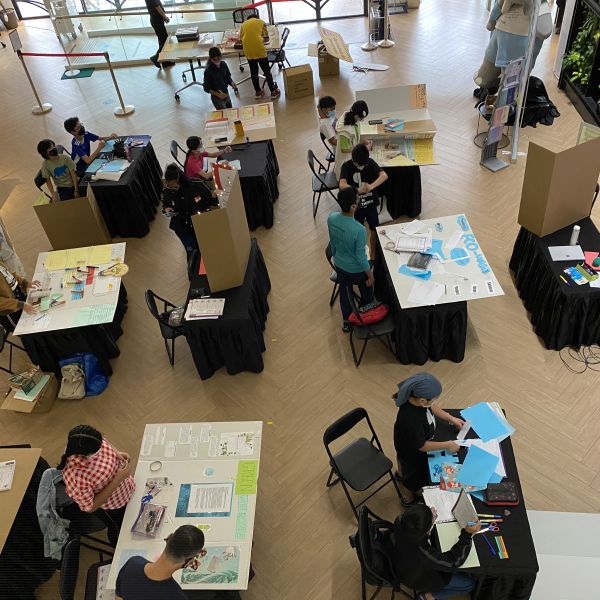
"Education & Cultural Society (ECS) established 100 STEM clubs, including the Hashil High School Science and Environment Club, across Bangladesh's educational institutions." Find out more about ECS's projects and impacts in this post.
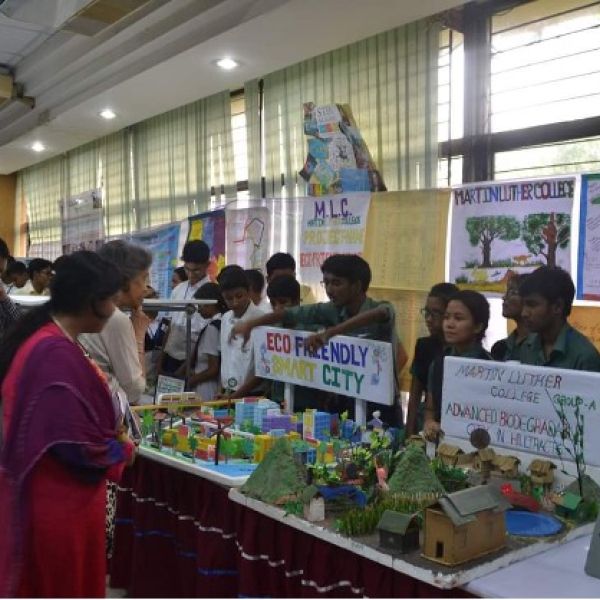

"Games really motivate me to switch off lights and prevent unnecessary consumption." Read how the HaritaDhara Research Development and Education Foundation engages students through science, technology, engineering, arts and design, and mathematics (STEAM).
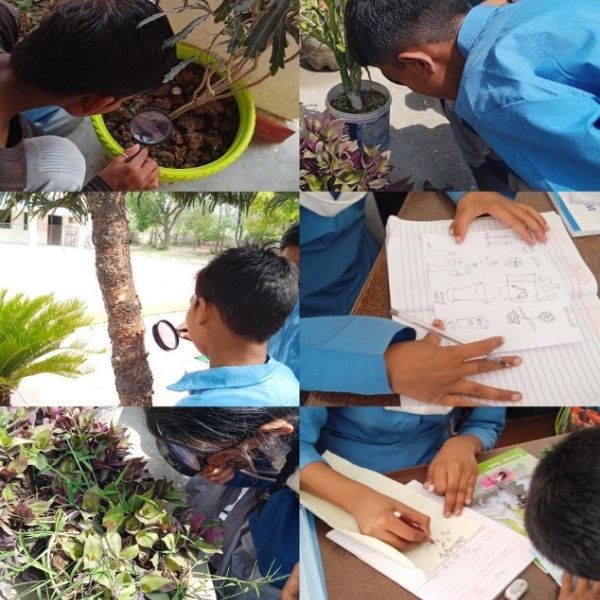
Green Growth Africa not only prepares students for future careers in STEM fields but also empowers them to make a positive impact on their communities and the world. Read about their hands-on, learner-centered approach.