Search for eePROs here!

Search for eePROs by interest, location, role, and more.
Search for eePROs by interest, location, role, and more.
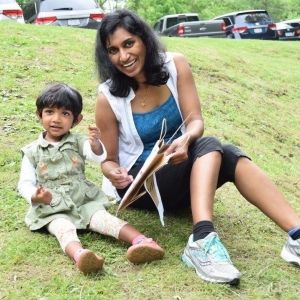
Preethi Mony is a specialist in the field of environmental education, program evaluation and grants and has a wide range of experience from developing resource matierials, conducting programs with children and adults, as well as evaluating programs and grant reporting.
Growing up in the busy metropolis of Mumbai, she quickly recognized the importance of the social aspects of conservation in protecting the natural world. She has worked with organizations in India and the US to help with environmental education program planning and resource development. She has over 20 years of experience working with zoos and museums to evaluate programs and exhibits and recommend strategies to improve the overall visitor experience. Over the last 2 years, she has worked at a local community college to support grant work (federal, state, and private) as well as to inform data driven decision making in the diversity, equity, and inclusion space. She brings all of these experiences to her current role of EE Grant and Program Manager at NAAEE.
Preethi holds a Ph.D. in Natural Resources from The Ohio State University. She earned her M.S. in interdisciplinary Ecology from the University of Florida, and a B.Sc. in Life Sciences from the University of Mumbai, India.

Based in Dallas, Texas, 29 Pieces is a 21-year-old nonprofit arts organization driven by a mission of "using art to awaken, uplift and give voice to the creative human spirit to make genuine, positive social change." Founded by Pulitzer Prize-winning graphic artist and writer Karen Blessen, the organization has a rich history of monumental public art initiatives, including 10,000 pieces of art for the Dallas LOVE Project (DLP), 185,000,000 media impressions for DLP, 4,000 pieces of art for The American LOVE Project, public sculptures, and murals. 29 Pieces programs and projects have collectively engaged more than 250,000 artists and students and trained more than 1,600 educators to heal divides, cultivate empathy and build a kinder world through creative expression. For more information, visit https://29pieces.org/.

Stacie joined the NAAEE team in April 2020. She has worked in or alongside the education field for over two decades and in communications for more than 15 years. She started her career teaching at a public charter high school in Washington, D.C. Prior to joining NAAEE, she managed communications for Annenberg Learner, a leading national nonprofit that connects K–12 and college educators with classroom content and professional development to support and strengthen their practice. She holds an M.A. in Spanish and Latin American Studies from American University, and a B.A. in Modern Languages and Linguistics and Certificate in Secondary Education from the University of Maryland, Baltimore County. She also completed a Certificate in Social Impact Storytelling at Georgetown University. Throughout her career, she has been committed to bringing exceptional educational opportunities to underserved areas and educating to promote civic engagement.
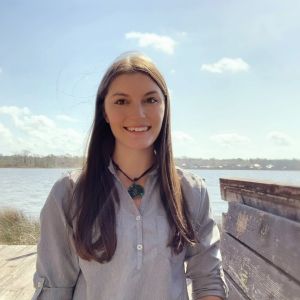
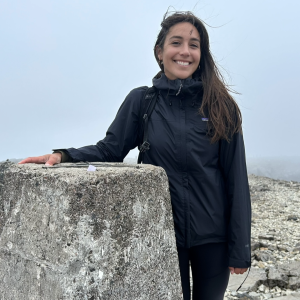
I am a retired hydrogeologist with a strong interest in sharing my interest in and love of the natural world.
Education and Outreach Coordinator at Lehigh Gap Nature Center in Slatington, PA
I develop educational programming that brings environmental monitoring programs to local communities. Science education allows me to embrace a role that combines making environmental education accessible and connecting educaiton to relevant ecological research efforts. I have had many different roles as before becoming an environmental educator including being a collections assistant for a natural history museum and a field assistant to ornithology researchers.
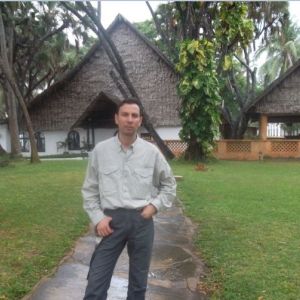
I am a Health, Safety and Environment Manager (HSE Professional, GradIOSH, MIIRSM, WSO Certified Instructor, certified Facilitator Level 2 and AOSH UK certified Master Trainer). I conduct training and awareness sessions related to Environment protection. I am also certified in following environmental fields:
ISO 14001:2015 Lead Auditor,
IEMA Environmental Sustainability Skills for Managers Course Certificate,
IFC PS on Environmental and Social Sustainability
Level 2 Award in Environmental Principles and Best Practices
Level 3 Award in Environmental Management

Environmental scientist with a deep interest in geography and coastal sciences.
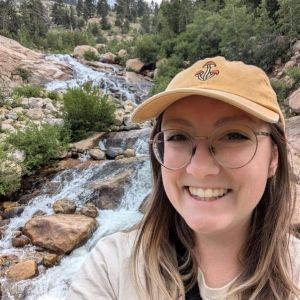
Hi, my name is Claire Campbell and I am an educator at the Kansas City Zoo & Aquarium. I have worked in the zoo field for many years, but I remain a passionate advocate for our local environments and the native species found there.
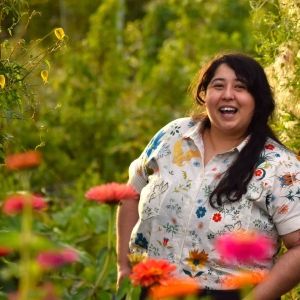
Jimena Cuenca supports NAAEE's digital presence, helping maintain and improve our websites like eePRO so that it serves as a welcoming and useful space for environmental educators. Jimena brings a deep curiosity about how online communities grow, connect, and collaborate. She enjoys learning new digital tools and is always looking to make our web spaces more engaging. When not at work, she's walking her huskies and birding.
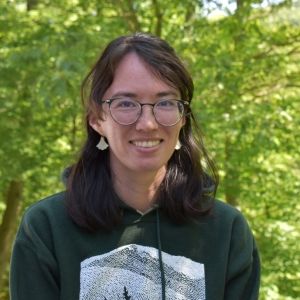
Jessica joined Black Rock Forest in 2023 as the Director of Education. Her primary focus is educational programming for K–16 students, teachers, and the general public. Jessica taught middle and high school science in the Bronx for six years, beginning as an NYC Teaching Fellow in 2017. Prior to teaching, Jessica conducted postdoctoral research in wildlife conservation modeling in Germany for four years; first at the Max Planck Institute for Ornithology and then as a postdoctoral fellow in the Department of Biology at the University of Konstanz. She also taught college biology courses focused on assessing habitat loss of forest endemic birds. Jessica holds a BS in Nutritional Sciences from Cornell University, an MS and PhD in Biology from Rutgers University, and an MSEd in Teaching English to Speakers of Other Languages, K-12 from City College of New York.
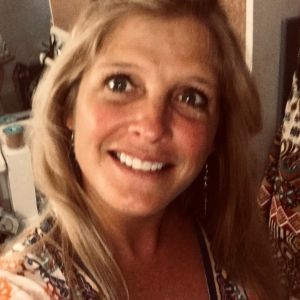
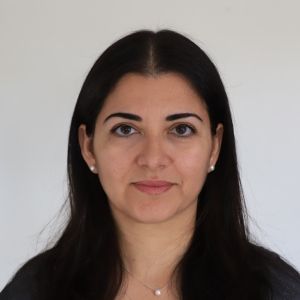
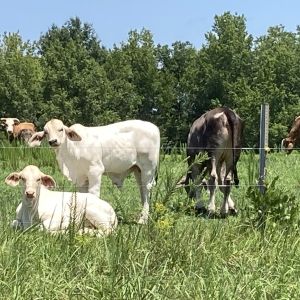
I teach at the intersection of art and nature.