Recycling
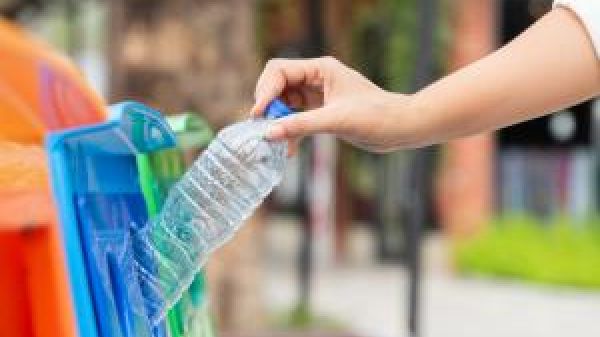
The resources below will help you educate kids, adults, and communities about the importance of reducing, reusing, and recycling solid waste. Online games, children’s story books, and ideas for finding local educational resources and information on the 3R’s are among the resources you’ll find here.

Designed by teachers, these lessons include clear implementation guidance, and show examples of student work—helping ensure the content is teachable, engaging, and can support student learning in real classroom settings.
When sustainability becomes part of everyday learning, students recognize its relevance and connect it to their world. That’s where the magic happens: when environmental learning is woven into the fabric of the classroom, it sticks.
Guidelines: Instructional effectiveness
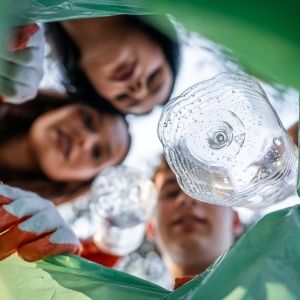
The Douglas County School District recommends the Carton Council because it makes recycling tangible for both teachers and students with ready-to-use, standards-aligned resources. It connects classroom learning to real action by supporting recycling programs in schools, while helping students see how their choices impact their community and turning awareness into lasting behavior change.
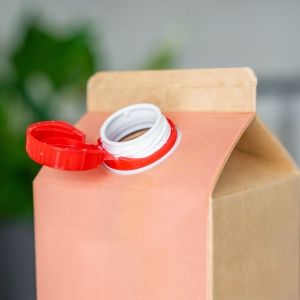
This resource is free and easy to implement in schools and at home. With simple, practical strategies, students and staff can immediately reduce waste and see the impact of their choices.
It’s a real-world extension of classroom learning where sustainability isn’t just taught, but lived each day in the cafeteria.
Guidelines: Usability
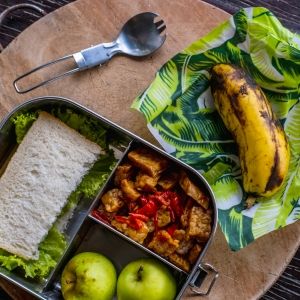
DCSD Sustainability created the Waste Diversion Kit to turn sustainability from something students hear about into something they truly experience as they see the real impact of their actions unfold in their own school. The kit engages students in hands-on activities to help them develop real-world investigation, analysis, and problem-solving skills, which are core components of high-quality environmental education materials. It brings consistency across schools while staying flexible and customizable, allowing any program to make a copy of the slides and tailor them to fit their own local recycling systems and needs.
Guidelines: Emphasis on skills building
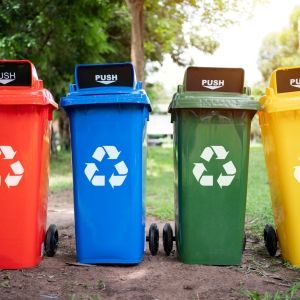
Through hands-on activities and discussions, students learn the importance of recycling waste, reusing materials, and recycling correctly. This lesson encourages critical thinking, responsible decision making and real-world actions students can apply both at school and home.
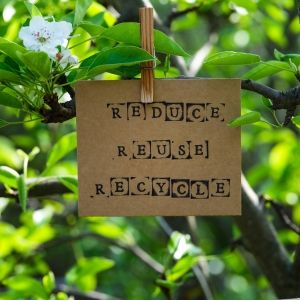

Yes, this is a very generic recommendation, but is important to mention! While there are a lot of great recycling resources available for educators, since recycling is managed at the local or state level it is extremely important to know how recycling works in your school, organization, or community. You may need to tailor lessons and activities to your community’s program requirements.
Guidelines: Depth of understanding, Fairness and accuracy
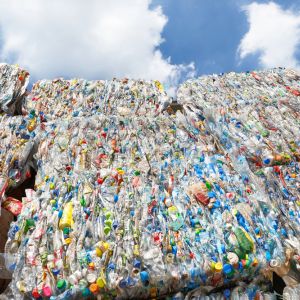
One of the books is “The Adventures of a Plastic Bottle,” which tells the story of how plastic bottles get recycled from the perspective of the plastic bottle. “Don’t Throw That Away!” follows an eco-conscious superhero as he teaches kids how to recycle and reuse common household items. The books range from $4.99 to $9.99 can be purchased at Amazon and most bookstores.
Guidelines: Depth of understanding, Fairness and accuracy, Usability
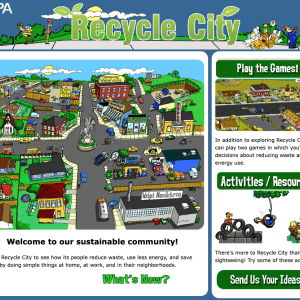
Recycle City is an interactive way for students to learn how everyone can recycle, reduce, and reuse waste by doing simple things. Educators can create their own scavenger hunts and activities and set goals that can be paired with lessons being taught in the classroom. It can be adapted for all ages. Recycle City can be used online, downloaded for offline use, and has a printable version, so it can be used in any setting.
Guidelines: Depth of understanding, Emphasis on skills building, Fairness and accuracy, Usability