Blog
-
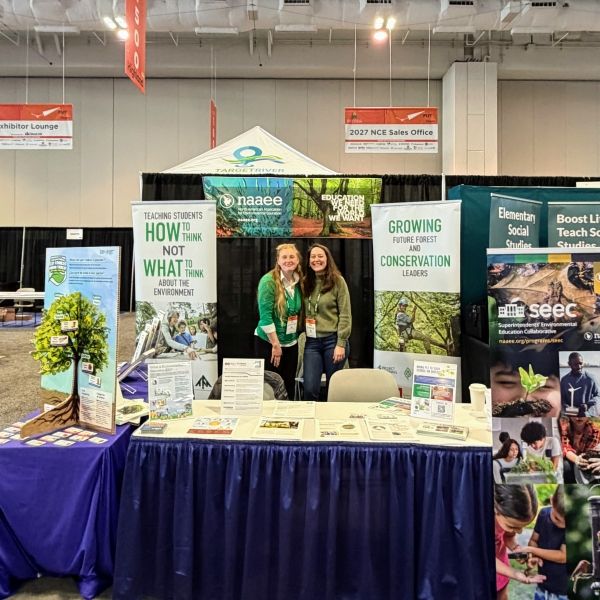
Hall buzzing, ideas sparking, superintendents connecting. Our NAAEE team joined the 2026 AASA National Conference with Project Learning Tree, saw hundreds of exhibitors uniting to fuel public education, explored sessions, and celebrated three environmental education champions.
-
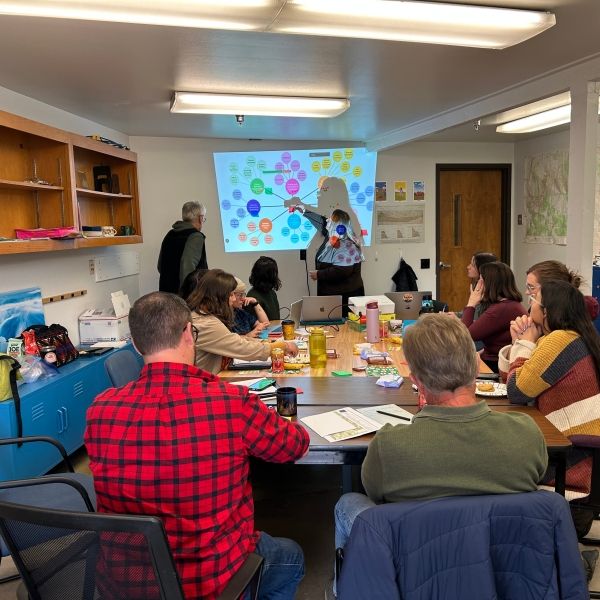
How do you grow water leadership in Northern Arizona? Dive into how a pilot Water Leadership Institute was designed, and read insights for designing place-based leadership programs.
-
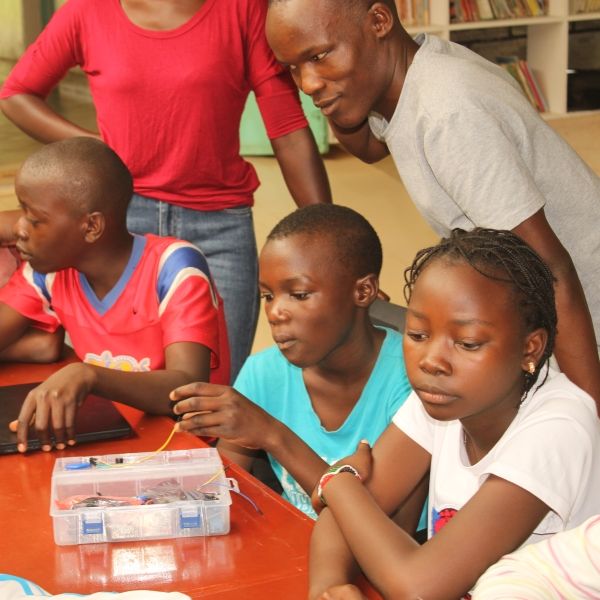
With support from the 2024 Global E-STEM Award, the Riley Orton Foundation (ROF) works to bring STEM concepts to rural schools in Kenya. In the organization's Climate Solutions project workshops, students learn renewable energy and IoT (Internet of Things) technologies, addressing clean water access…
-
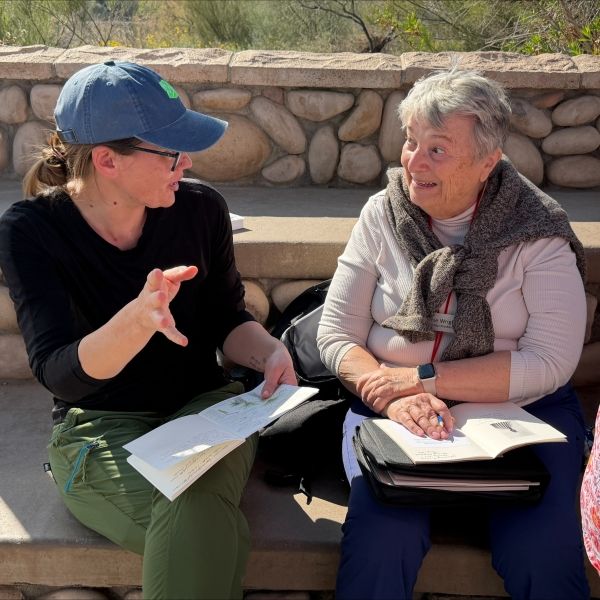
CEE-Change Fellow Molina Waters shares her experience as a new member of this cohort, dedicated to civics and environmental education.
-
From late-night searches for resources to peer-to-peer connections, eePRO has been a place educators turn to when they need support. As eePRO turns ten, we reflect on belonging in this shared online space and invite you to share your story too.
-
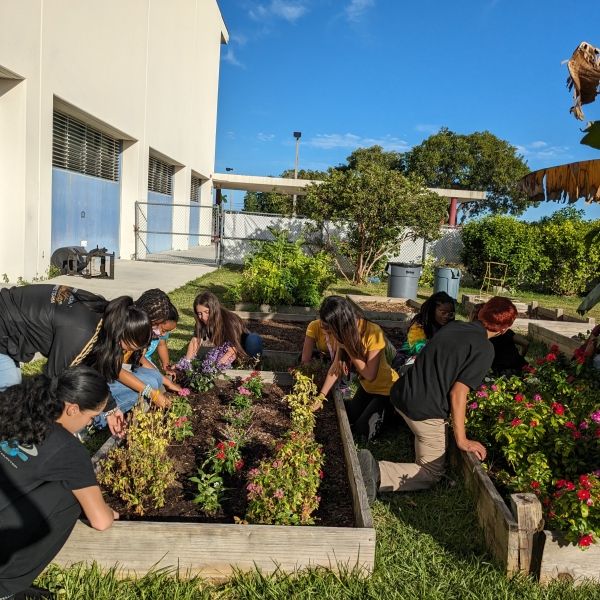
A 2024 Global E-STEM Award winner, Dream in Green is working to bring E-STEM education to K–12 students across South Florida through their Green Schools Challenge initiative. The program blends STEM concepts with project-based learning to engage students.
-
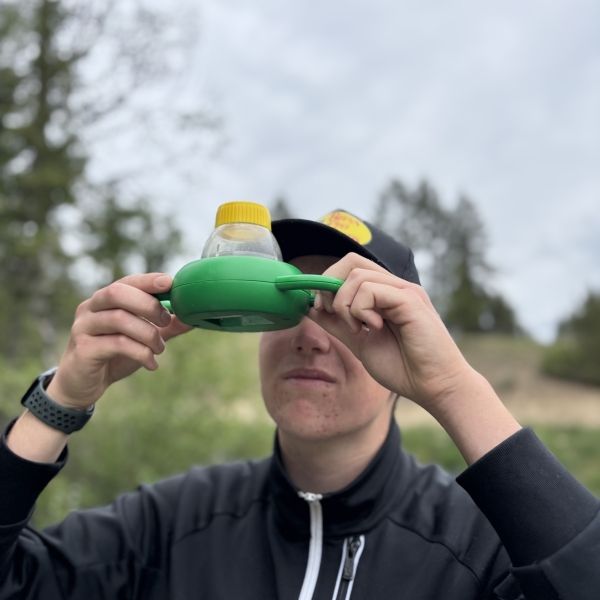
Living Lakes Canada educates about environmental challenges within local watersheds. With the support of the 2024 Global E-STEM Award, the Watershed Matters program equips high school students with the skills needed to not only understand the issues around them, but to make a local difference.
-
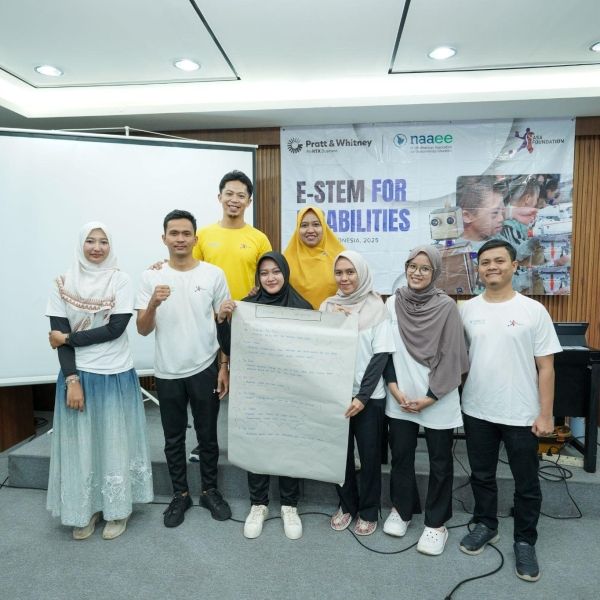
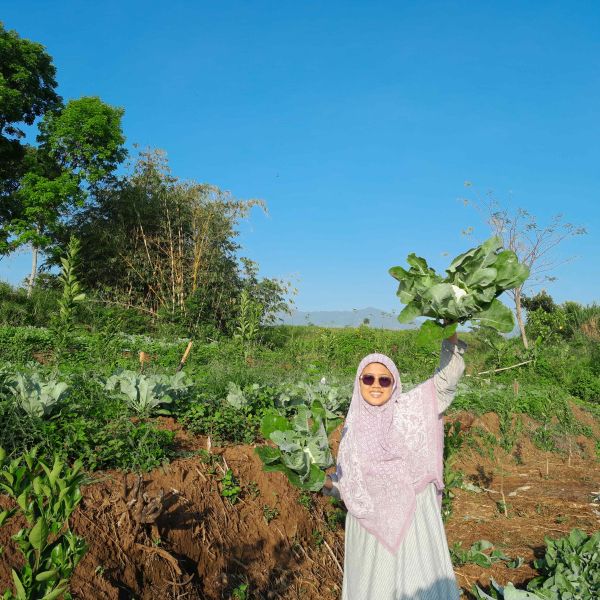
With the support of an E-STEM Award from Pratt and Whitney and NAAEE, the ASA Foundation’s E-STEM for Disabilities project in Indonesia is expanding E-STEM education accessibility by equipping teachers with what they need to support all learners, regardless of their abilities.
-
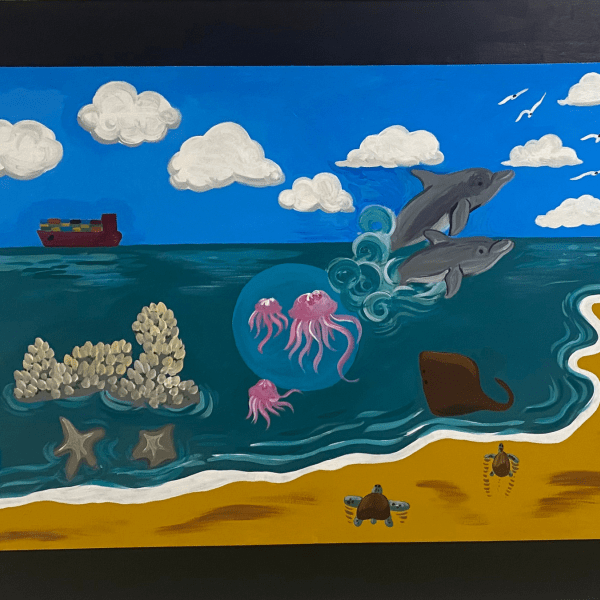
A hurricane hit the habitat preserve surrounding a small Texas school, but Artist Boat turned repair into real learning. With support from the eeBLUE 21 CCLC Watershed STEM Education Partnership Grant, students saw resilience firsthand and discovered why their coastal ecosystem needs them.
-
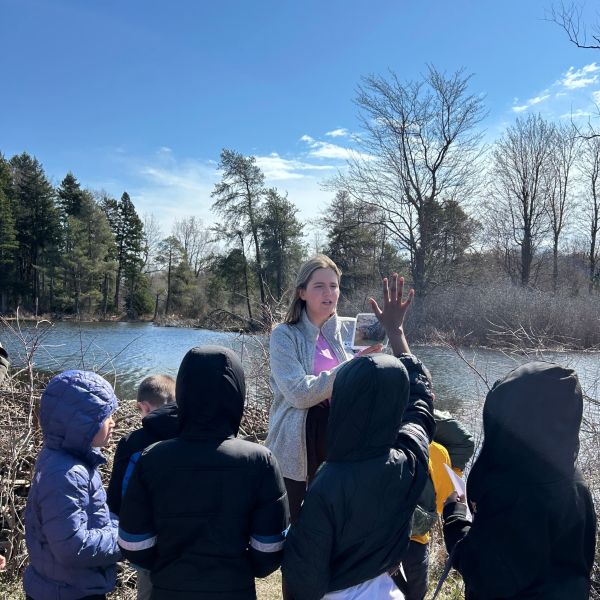
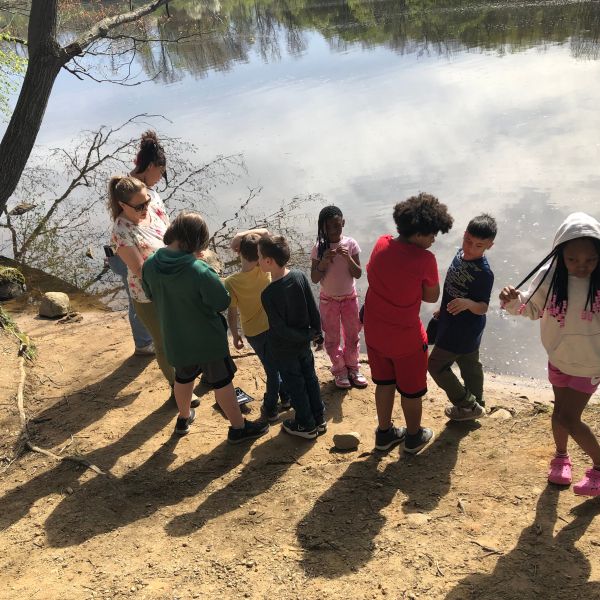
"What creek?" became "our creek" after ten weeks of learning. Engaging young students in their local watershed through field trips, water testing, and storytelling transformed a forgotten waterway into a shared stewardship. Get the full story in the latest education of the eeBLUE Watershed…
-
Made possible through the eeBLUE Aquaculture Literacy Mini-Grant, the Get Aquacultured! podcast dives into the systems, stories, and people behind modern aquaculture, served with saltwater charm.
-
Feeling stretched thin? This educator’s journey from burnout to renewal shows how nature, emotional presence, and the Guidelines for Excellence can reconnect us to why our work matters.
-
'Tis the season to reflect on all the amazing work being accomplished by the NAAEE Affiliate Network.
-
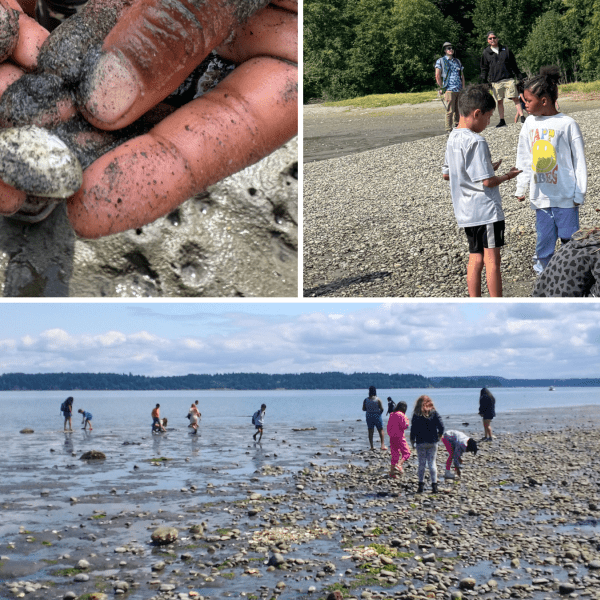
Read how hands-on science, beach explorations, and after-school activities helped students connect their daily lives to the health of Puget Sound in our eeBLUE Watershed Chronicles.
-
Nineteen days and a summer full of campers. Through an eeBLUE grant, ShoreRivers and Caroline County Recreation and Parks built stronger partnerships to provide unforgettable learning experiences for 60 fifth-graders.
-
Learn about the development of an educator's guide for planning aquaculture systems in more traditional classroom settings, created through a partnership between the National Council for Agricultural Education and Maryland Sea Grant and supported by the eeBLUE Aquaculture Literacy Mini-Grants…
-
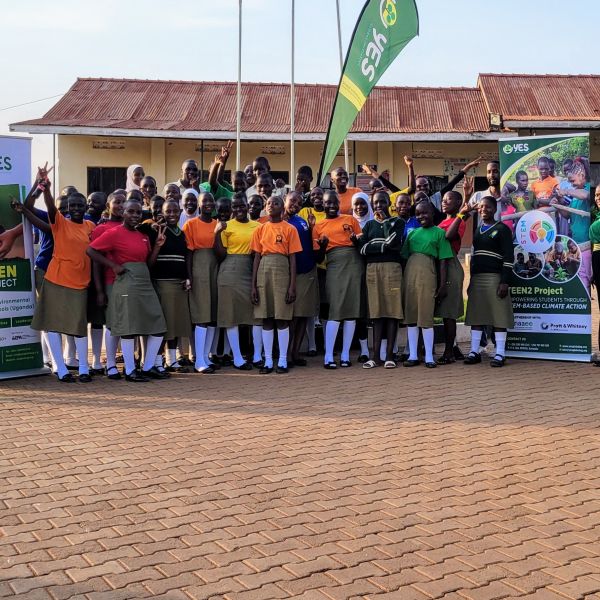
In many ways, TEEN 2 is more than a project—it's a movement. It is reshaping how young people in Uganda learn about and act on climate change. Through practical gardening, AI tools, and passionate community building, TEEN 2 is giving students the tools to fight food insecurity, adapt to climate…
-
Through an eeBLUE Watershed STEM Education Partnership grant, students tested water quality, kept nature journals, and explored the science in their own backyards. Read our latest Watershed Chronicles to see how hands-on learning keeps curiosity flowing.
-
Back-to-back hurricanes delayed the launch of a new educational exhibit for one eeBLUE grantee. But through it all, the team’s resilience stands out. Their story is a reminder that real progress isn’t just about milestones—it’s about weathering the setbacks together.
-
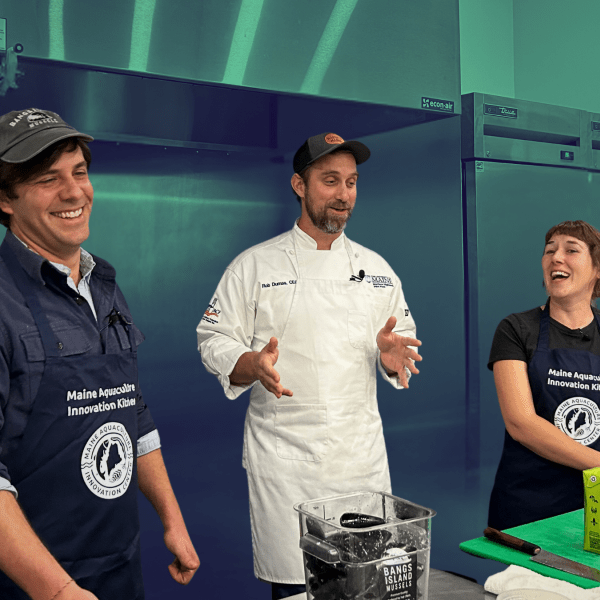
What if your next seafood recipe came with the story of how it was grown? Supported by the eeBLUE Aquaculture Literacy Mini-Grants Program, Farmers MAI-Kit blends farm tours, cooking demos, and conversations with farmers into one tasty way to learn about aquaculture.
-
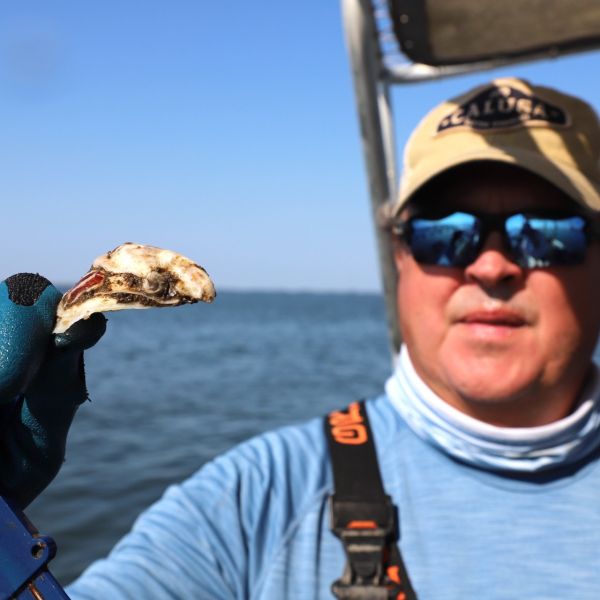
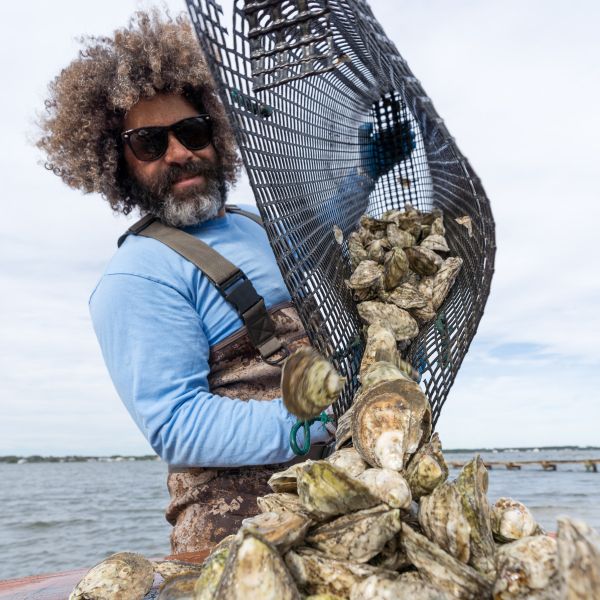
North Carolina Oyster Month is coming! From community storytelling to hands-on learning, aquaculture is equipping educators with the skills to lead in classrooms and in conversations across their communities. Read our latest in eeBLUE's Harvest Stories.
-
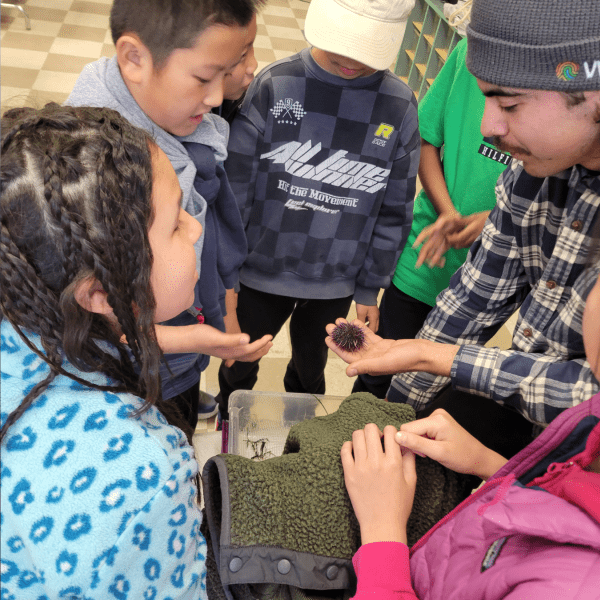
Knee-deep in sand and science, students from Jean Parker Elementary tracked sand crabs for a long-term scientific monitoring program and learned about marine careers. When students do the work, they start to see how they can be part of what protects it.
-
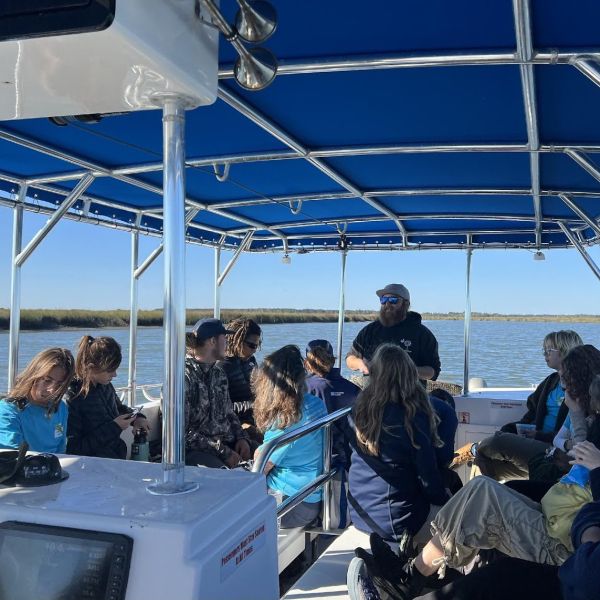
The South Carolina Aquarium Teen Conservation Crew is empowering high school students to tackle climate change through hands-on conservation and aquaculture education. Supported by the eeBLUE Aquaculture Literacy Mini-Grants Program, crewmates explored oyster farming’s ecological benefits firsthand…
-
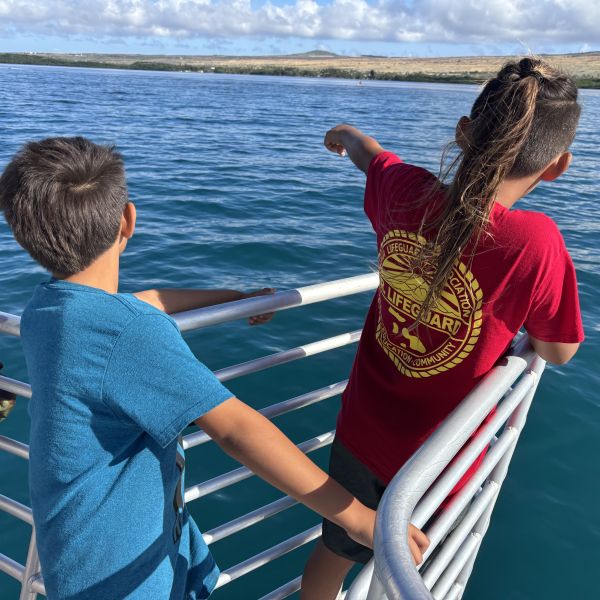
From whales to coral reefs, students dove into science through hands-on experiences that flowed together, like tributaries feeding a river of understanding. Read more in our latest eeBLUE Watershed Chronicles blog.